

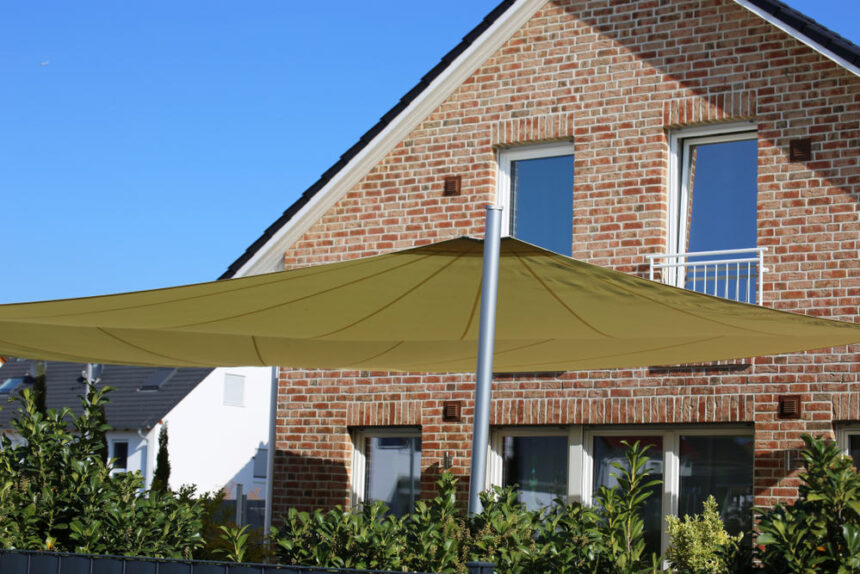
If you’re looking for a smart way to keep your outdoor space comfortable while adding a touch of style, waterproof shade sails are a top choice for Australian homes and businesses. From the scorching sun of Queensland to the breezy coasts of Western Australia, these versatile covers protect against rain, UV rays, and wind—all without breaking the bank. Below we explore five solid reasons to choose waterproof shade sails and give you the local insight you need to make the right decision.
1. Superior Weather Protection
Australia’s climate is famously diverse. In the north, tropical downpours can arrive in minutes, while the south enjoys milder, more consistent rainfall. Waterproof shade sails are designed with a high‑density, UV‑stable fabric that blocks up to 95 % of harmful rays and repels water. This means you can enjoy a patio dinner during a summer thunderstorm or keep a play area dry for kids on a rainy afternoon.
How the fabric works
- Polyethylene or PVC‑coated polyester with a waterproof rating of 1500 mm or higher.
- UV‑inhibitors woven into the material to prevent fading and brittleness.
- Water‑drainage channels that guide rain off the edges, reducing pooling.
2. Energy Savings and Comfort
By shading windows, doors, and outdoor living zones, waterproof shade sails cut the amount of solar heat that enters a home. In hot states such as South Australia and the Northern Territory, this can lower indoor temperatures by up to 5 °C, reducing the need for air‑conditioning. The result is a noticeable drop in electricity bills and a smaller carbon footprint—both important considerations for environmentally‑conscious Australians.
Real‑world impact
- Homes that install waterproof shade sails on north‑facing decks often see a 10‑15 % reduction in cooling costs.
- Businesses such as cafés and childcare centres benefit from a cooler outdoor area, improving customer comfort and safety.
3. Flexible Design That Fits Any Space
Waterproof shade sails come in a variety of shapes—triangular, rectangular, square, and even custom‑cut polygons. This flexibility lets you tailor the cover to the exact dimensions of your patio, pool perimeter, or garden nook. Because the sails are tensioned between anchor points, they can be installed over irregular layouts where traditional pergolas would struggle.
Design tips for Australian homes
- Use a low‑slope sail on coastal properties to allow wind to pass through without lifting.
- Combine multiple sails in a “layered” look for a modern aesthetic that also adds extra rain protection.
- Choose colours that complement the natural palette of your region—sand, ochre, or muted greens work well in the outback, while bright blues suit tropical Queensland.
4. Easy Installation and Low Maintenance
Unlike solid roofs or permanent structures, waterproof shade sails are lightweight and can be installed by a competent DIYer with basic tools. Most kits include steel or aluminium fixings, tensioning ropes, and clear instructions. Once up, maintenance is simple: a quick rinse with a garden hose and occasional inspection of the tension cords keep the sail looking fresh for years.
Step‑by‑step overview
- Mark anchor points on walls, posts, or ground plates.
- Drill pilot holes and install stainless‑steel or galvanized fixings.
- Attach the sail’s corner eyelets to the fixings using turnbuckles.
- Tighten the tension cords evenly, checking for sag.
- Trim excess fabric if needed and seal the edges with a waterproof sealant.
5. Boosts Property Value and Curb Appeal
A well‑installed waterproof shade sail adds a modern, functional feature that can increase a property’s resale value. Buyers in Australia often look for outdoor living enhancements, especially in states where the climate encourages outdoor entertaining. The sleek lines of a sail provide an instant visual upgrade without the cost of a full roof extension.
What buyers love
- Ready‑to‑use outdoor space that stays dry during rain.
- Reduced glare on glass doors and windows.
- Low‑maintenance solution that still looks premium.
Choosing the Right Waterproof Shade Sails in Australia
When selecting waterproof shade sails, consider the following local factors to ensure you get a product that stands up to the Australian environment.
Key considerations
- UV rating: Look for fabrics with a UV protection factor (UPF) of 50+.
- Waterproof rating: Minimum 1500 mm hydrostatic head is recommended for heavy rain zones.
- Wind rating: In coastal areas, choose sails rated for at least 80 km/h wind loads.
- Compliance with Australian Standards: AS 1926.1 (Outdoor Living Areas) and local council guidelines for structural anchoring.
- Warranty: A 5‑year warranty on fabric and hardware indicates confidence in durability.
Local Regulations and Standards
Each Australian state and territory has its own building codes that affect shade sail installation. While most residential projects fall under “low‑rise” categories, it’s still important to check with your local council.
State‑by‑state snapshot
- New South Wales (NSW): Council approval may be required for sails larger than 10 m² if they are attached to a building façade.
- Victoria (VIC): The Building Code of Australia (BCA) requires wind loading calculations for sails over 20 m².
- Queensland (QLD): Tropical regions must meet a minimum wind resistance of 80 km/h.
- Western Australia (WA): Coastal installations should use stainless‑steel fixings to resist corrosion.
- South Australia (SA) & Tasmania (TAS): Emphasis on UV protection due to high sun exposure.
Top Australian Suppliers and Competitors
Finding a reliable supplier helps you get the right fabric, hardware, and support. Below are some well‑known Australian retailers and manufacturers that specialise in waterproof shade sails.
Popular options
- Bunnings Warehouse: Offers a range of ready‑made sails and DIY kits at competitive prices.
- Shade Sail Australia: Provides custom‑cut waterproof sails with local manufacturing.
- Australian Shade Solutions: Focuses on commercial projects and offers professional installation.
- eBay Australia: Good for finding discounted surplus fabric, but check seller ratings.
- Local timber yards: Often stock aluminium fixings and can advise on council requirements.
Installation Tips for Australian Conditions
Even though waterproof shade sails are straightforward to install, a few extra steps can make the difference between a long‑lasting solution and a premature failure.
Best practices
- Use stainless‑steel or hot‑dip galvanised hardware in coastal areas to prevent rust.
- Allow a slight sag (about 5‑10 cm) to accommodate wind movement without stressing the fabric.
- Secure anchor points to solid structures—concrete footings, timber posts, or reinforced wall brackets.
- Check for local tree growth; a sail that’s too close to branches may be damaged during storms.
- Schedule a tension check after the first heavy rain or strong wind event.
Maintenance Checklist for Waterproof Shade Sails
Keeping your waterproof shade sails in top condition ensures they continue to protect your outdoor area for years.
Routine tasks
- Rinse with a garden hose after rain to prevent mould buildup.
- Inspect the fabric for tears or UV‑induced thinning every six months.
- Lubricate turnbuckles and tension cords annually.
- Re‑apply a UV‑protective spray if the fabric shows signs of fading.
- Replace corroded fixings promptly to maintain structural integrity.
Questions and Answers: Common Questions About waterproof shade sails in Australia
Below are the most frequently asked questions from Australian homeowners and business owners looking to invest in waterproof shade sails.
Q: Can waterproof shade sails be installed on a tiled patio?
Yes. Use a concrete footplate or a stainless‑steel post that is anchored into the tile with a drill and appropriate fixings. Make sure the anchor is sealed to prevent water ingress.
Q: What wind speed can a typical waterproof shade sail withstand?
Most residential waterproof shade sails are rated for 60‑80 km/h. For coastal or high‑wind areas, choose a sail with a higher wind rating and use extra tensioning points.
Q: Do I need council approval for a waterproof shade sail in Queensland?
If the sail is smaller than 10 m² and only attached to a freestanding post, council approval is usually not required. Larger installations or those attached to a building may need a development application.
Q: How long will a waterproof shade sail last in the Australian sun?
With proper UV‑stable fabric and regular maintenance, a waterproof shade sail can last 5‑10 years. The exact lifespan depends on exposure, wind, and how well it’s cared for.
Q: Can I use waterproof shade sails for a pool area?
Absolutely. Waterproof shade sails are ideal for pool decks because they keep the water dry, reduce glare, and protect surrounding furniture from sun damage. Just ensure the sail is installed with a sufficient slope to direct water away from the pool.
Conclusion: Your Path to a Successful waterproof shade sails in Australia
Waterproof shade sails offer a practical, stylish, and cost‑effective solution for Australian homes and businesses that need protection from sun and rain. By understanding local climate challenges, complying with state regulations, and selecting the right fabric and hardware, you can enjoy a comfortable outdoor space year‑round. Remember to check wind and UV ratings, use corrosion‑resistant fixings, and perform regular maintenance. With the right planning and a trusted Australian supplier, your waterproof shade sails will enhance comfort, save energy, and boost property appeal for years to come.



