

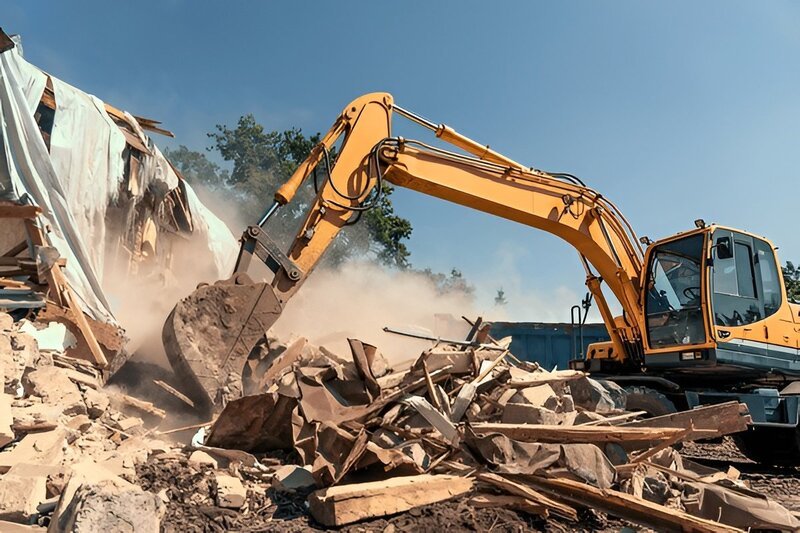
Demolition and removal Sydney is a regulated process that goes far beyond knocking down a structure & hauling away the debris. From the first site inspection to the final proof of a level, compacted block, safe clearance depends on correct approvals, careful hazard management & verified contractors. This guide covers the NSW approval paths, the asbestos & underground service checks that precede any machine work, how to choose & vet a contractor. And what the builder actually expects at handover, so you can really plan a project that steers clear of the delays & disputes that stall so many Sydney builds.
Below, the Article Walks Through Each Stage
Of a typical house & in the city, from the initial permit & hazard survey through to the final site verification & handover.
Practical Advice On Below, the Article Walks Through
Demolition and removal done right is a chain of controlled steps, each carrying its own legal & practical load. Before any machine rolls up, you need approval. In NSW, that’s usually a Development Application or a Complying Development Certificate, depending on your council area and what you’re tearing down. You’ll also need a pre‑demolition hazardous materials survey, so asbestos, lead paint, synthetic mineral fibre & other contaminants get found before anyone disturbs them. Get that survey done first!
In my experience, physical work follows a strict order. Kill utilities first, then strip hazardous materials, & the structural knock‑down comes after. Waste sorting & disposal follow, so the site ends clean. Final stage is site clearance, where footings come out, ground gets leveled, & the block’s ready for the next build. Skip any single step, & you’re up against safety breaches, fines, or delays that burn your budget, because each phase has its own risks & timeline. Miss one, & it costs real money! So, worth it?
Understanding the NSW Approval Pathways
Planning a knockdown in NSW? Fair enough. From what I’ve seen, the approval path hinges on the scale of the job, & where it sits. A single dwelling house usually clears fast with a Complying Development Certificate, provided the zoning & building rules stack up. Bigger or trickier projects, like heritage conservation areas or bushfire‑prone land, almost always need a full Development Application through the local council, & that is one of the details that becomes much easier to judge once you look at demolition and removal in practice.
Don’t even think about starting any work until that demolition permit application is lodged. The paperwork needs detailed plans, a site management plan, and in many cases a statement from a qualified engineer. Councils across Sydney run on different rules and processing times, so it pays to check with your specific LGA early on. Take the Hills Shire versus Canterbury‑Bankstown: tree preservation rules differ, and those differences can shift your timeline a lot.
Why Hazardous Materials Surveys Matter
Worried about asbestos in a Sydney demo job? You should be. Homes put up before the 1990s used the stuff everywhere. So a licensed asbestos assessor has to inspect the property first & grab samples from roofing, wall sheeting, floor tiles, even pipe lagging. Their report decides whether licensed removalists step in, & exactly how that material gets safely stripped & hauled to an approved facility. Don’t skip the inspection. It matters a lot!
Beyond asbestos, check for lead paint in older homes too, especially ones built before 2026. Synthetic mineral fibre in insulation? Yes, exactly that. Removing these materials falls under strict workplace health & safety regulations, so contractors must hold the right licences. Skip these checks before demolition. You’ll face fines, project stoppages, & serious health risks for workers & nearby residents. I’ve seen jobs grind to a halt over this. Not worth the gamble!
Detecting Underground Services and Hidden Obstacles
Underground services are a common source of surprise delays & risky moments during demolition. Before any excavation starts, the contractor must contact the relevant service providers through Before You Dig Australia, which replaced the old Dial Before You Dig system. In my experience, that step plots out water, gas, electricity, telecom & sewer lines so the crew knows what’s underneath before they swing the breaker.
Choosing a Licensed and Insured Contractor
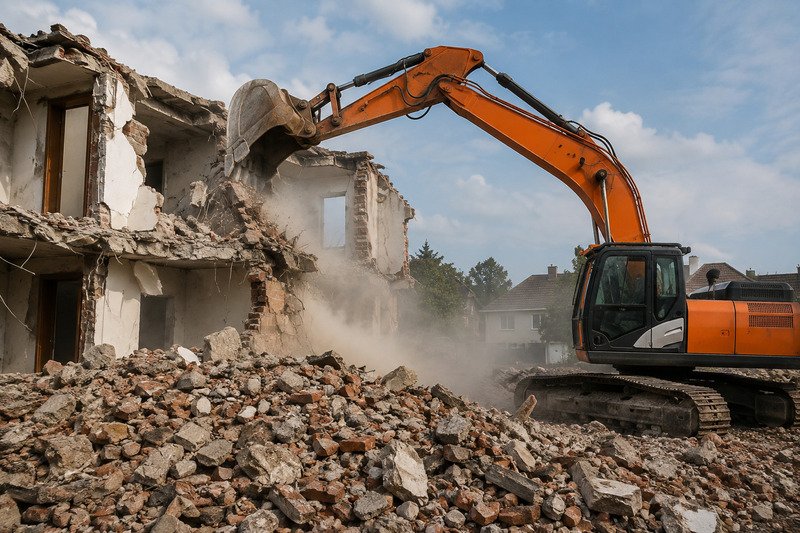
Picking the right contractor? Tough! It’s easily the biggest call you’ll make on any demolition job, & honestly, it shouldn’t come down to just the lowest quote. A reputable firm will hold the proper NSW contractor licence, carry full public liability insurance, & hand you a solid record of completed projects, which many readers only appreciate after they have studied demolition and removal closely for their own situation. So I’d also chase references from recent clients, & always verify their safety history with the relevant authorities before signing anything. Sound fair?
Comparing demolition quotes? Watch out. In my experience, the price you see rarely covers everything, so I always check the fine print before I sign anything. A solid quote will itemise the actual demolition and removal, the asbestos testing, waste disposal, and the final clean‑up, because contractors often leave those out to look cheaper. I also like to confirm the team knows the local council rules here. Check their paperwork. Does the quote really list every stage? Don’t assume it does!
The Cost Drivers and How to Manage a Budget
Demolishing a house in Australia? The price swings hard. Structure size, build type, materials, & the block itself all shift the final figure. I usually find a single‑storey brick home on flat ground costs significantly less than a double‑storey house on a slope, & asbestos or other hazardous materials tack on a hefty premium. You’ll also need to cover tree removal, disconnecting power & water, and whatever the local council demands. Don’t forget the extras!
Managing the Demolition Process and Timeline
From what I’ve seen, a standard house knockdown takes one to three weeks for the actual demolition. It all depends on size & complexity! The timeline starts with site set‑up, then removal of hazardous materials, then the structural knock‑down, & it finishes with final clearance. Heavy rain can easily throw the whole thing off, because wet ground gets unstable and workers have to stop. Check the forecast before you book. That saves you a week.
Site Security, Safety and Neighbour Relations
Keeping a demolition site safe is a legal duty, & honestly, it’s a moral one too, so don’t treat fencing and signage as optional extras, a pattern that tends to resurface whenever you weigh up demolition and removal for a real project. Fence the place off with solid barriers, & put up clear warning signage, especially near a footpath, school, or any public area. Check the fence line daily. I always do, because unauthorised access can quickly turn into serious injury. Even pros mess up!
Things To Know About Site Security, Safety and Neighbour
Neighbour relations are another big piece of this puzzle. I always tell clients to knock on adjoining doors before work starts. Spell out the timeline, the daily hours, and what they’ll have to put up with, like noise & dust, or a blocked driveway for a few days. Keep it friendly, because an upset neighbour can actually slow your site down. A quick chat beats a formal complaint every time! Is it worth ten minutes? Usually, yes.
Post‑Demolition Site Verification and Handover
Site all cleared? Check! After the demolition and removal finishes, I always walk the whole pad myself, tracing every corner for leftover concrete or rebar. The ground must sit level, with every footing pulled and no buried surprises lurking, so the next crew starts on solid soil. From what I’ve seen, proof matters too, so hunt down the paperwork confirming the clearance, including any asbestos or hazardous‑materials certificates. Get those papers.
Planning a demolition in Sydney? Then prep hard. The whole job hangs on council approvals, a licensed crew, & a proper hazmat survey before any machine swings. From what I’ve seen, skipping the paperwork will stall you for weeks, so book the inspections early. Keep a close eye on the budget too, because costs creep up fast. Check the cleared site twice, & you’ll hand over land ready for the next build. It pays off!
Conclusion
A successful clearance comes down to completing each step in the right order, from lodging the correct NSW approval to managing asbestos and buried utilities before any machine touches the site. Picking a verified contractor who documents every stage separates a smooth project from a costly stop‑work order. Good demolition and removal also means checking the final ground condition yourself, since a level, compacted block is what your next builder needs to start without excuses. Ask for waste transport dockets and the certifier’s signoff before paying the last invoice! Are you ready to hand over a block that passes every inspection?