

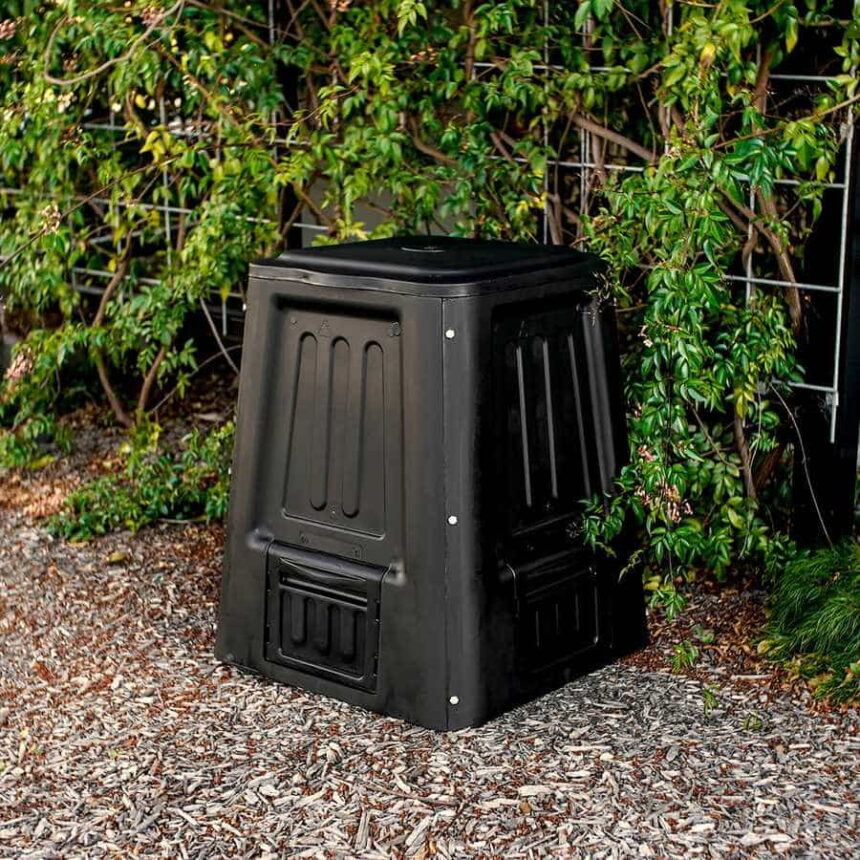
Want faster compost? Yes! I usually start by picking a solid compost bin that fits the yard in any Australian backyard, because size matters more than brand. From my experience a good bin can shrink the turn time from six months to under two, while keeping material costs low. Check the lid. Add a layer of shredded newspaper, & a handful of kitchen scraps, then turn it each week. It works wonders! Ready to try it yourself?
What You Need Before You Start
Ready to start? Grab the basics first. I always keep a sturdy lid, a drill with a 1 mm bit for ventilation holes, & a cheap thermometer nearby. You’ll also need a tarp for rain, a well‑ventilated compost bin to protect the material, & a wheelbarrow to haul heavy mix, plus a simple compost thermometer that tracks temperature, which keeps the process steady. Secure the lid, don’t forget ventilation, and check the tools now; avoid interruptions later & focus on the biology!
- Choose a sturdy, UV‑resistant container with a tight‑fitting lid to keep pests out.
- Drill airflow holes using a 1 mm bit to promote airflow through the sides.
- Turn the material regularly with a garden fork & pitchfork to speed decomposition.
- Read the temperature with a thermometer that covers 40‑70 °C to monitor active stages.
- Adjust moisture as needed using a water source & watering can.
Select The Right Compost Bin
Need a compost bin? Easy! I usually pick a high‑density polyethylene tote & a lockable lid because it stays tough & cheap, while a wooden slatted version lets air flow naturally, but often needs a seal now. I’ve used the tote for three seasons and never had a leak. Check that the design offers a removable base for fast emptying, & choose a lid you can easily flip open without tools. It matters a lot! Grab a drill.
Scorching Midday Sun: Compost Bin
Where to put it? Watch the sun! I steer clear of the scorching midday sun in Perth’s northern suburbs because the heat dries the pile & slows microbes. I’ve found the shade under the patio roof keeps the mix moist without overheating. Instead, place the bin under eaves or in a partly shaded spot that still catches morning light, which lets the temperature climb gently, & shields the material. Check the shade!
Optimize Aeration In Your Compost Bin
Need airflow? I usually start with a sturdy compost bin that sports a pattern of tiny vents, because aerobic microbes race ahead of anaerobic ones. I drill a grid of 1 mm holes every 15 cm on the sides & bottom, then slip fine mesh over them to keep flies out while letting fresh air in. The holes stay small enough to avoid a wind‑tunnel effect that would dry the pile. Check the holes. It matters!
Pulls Fresh Air: Compost Bin
Moisture pooling a problem on the east coast? I’ve seen it in my own compost bin, and the damp bottom can turn the mix sour. I slipped a PVC “lung” pipe straight through the centre, it pulls fresh air up, & forces wet air out through the base, keeping things aerobic. Check the airflow regularly!
Manage Moisture For Fast Decomposition
Moisture off? I check by squeezing a handful; a sponge‑like feel tells me I’m on track, because dry spots choke microbes & soggy clumps invite foul smells. A compost bin with a slatted base drains into a shallow tray that I empty weekly, & a fine‑mist hose lets me drizzle just enough while I knead the mix. Check the feel. It matters a lot!
Add Water: Compost Bin
Scorching Adelaide summer? Water the bin every two days, because the air is bone‑dry! In Melbourne’s cooler winter I usually wait for rain, so I only top up when the heap feels dry to the touch, which keeps microbes thriving. Check the moisture.
Control Temperature For Efficiency
Need more heat? I usually check the temperature first! A well‑insulated compost bin can easily hold warmth long enough to push the mix into thermophilic range of fifty‑five to sixty‑five degrees Celsius, which speeds decay & wipes out most weed seeds. Wrap the sides in reflective foil or set the bin on a wooden pallet, & the heat sticks around through chilly Tasmanian nights, while the pile cools at sunrise, so it won’t overheat. Check the seal! Using a simple compost thermometer placed in the centre of the pile lets you track temperature spikes; when readings exceed 70 °C, turn the material to distribute heat evenly & avoid killing helpful microbes.
Integrate Rainwater Harvesting: Compost Bin
Got a rain barrel? It can feed your compost bin without fuss. I usually hook a down‑pipe diverter to a small tank sitting next to the bin, then run a garden hose from the tank to the pile, which keeps the material moist during the outback’s dry spell, so you avoid over‑watering. Cover the tank to stop mosquitoes! Make sure the tank sits in shade. And install a float valve that shuts off flow once the bin hits the right moisture level, steering clear of waste & keeping the system efficient. Check the hose. You’ll see the pile darken as it drinks.
Set Up Multi‑Bin Rotation
Want continuous compost? I usually start with three bins labeled active, curing & finished, so each stage stays distinct. The active compost bin gets fresh kitchen scraps every day and you turn it daily, the curing bin holds material that’s past the hot thermophilic burst, & the finished bin holds mature humus ready for your garden beds, which saves commercial kitchens in Sydney from waiting months for a single pile to mature. Swap the bins! Because each bin cycles every four to six weeks, you always have a ready‑to‑use batch while the next batch matures, keeping your garden thriving year‑round.
Seasonal Adjustments for Australian Climate
Seasonal variations across Australia need different strategies to keep the compost bin operating at peak efficiency; during the scorching summer in Brisbane, adding a shade cloth over the bin cuts temperature spikes, while in the cooler winter months of Hobart, wrapping the bin with a thermal blanket helps retain heat. Adjusting the carbon‑to‑nitrogen ratio with extra brown material in winter also aids microbial activity when temperatures dip. Monitoring local weather forecasts & adjusting watering & turning frequency accordingly secures the compost bin stays healthy year‑round, regardless of whether you’re on the tropical north coast or the temperate south.
Common Mistakes to Avoid
Even seasoned growers slip up, & recognizing the typical pitfalls can often save you weeks of lost time; the keyword compost bin is only as effective as the practices you follow, so avoid over‑loading, neglecting aeration, or using prohibited materials that introduce pathogens.
- Adding too many oily or dairy foods, which create foul odors & slow down microbes.
- Neglecting to turn the pile regularly, leading to anaerobic pockets & unpleasant smells.
- Using a bin without a proper drainage system, causing waterlogging & soggy material.
- Placing the bin in a location with extreme temperature swings, which hampers consistent microbial activity.
- Ignoring pest control, allowing bandicoots or cockroaches to raid the bin & spread disease.
Conclusion: Final Advice on Compost Bin
Need a fast compost bin? I normally grab a heavy‑duty plastic tote or a metal drum, because that kind of container fights rot, keeps critters out & holds moisture just right. Then I fine‑tune airflow & dampness, adding a vent pipe & a drip tray to balance the moisture. Check the lid daily! Spin the drum each week, watch the temperature climb, & keep an eye on any foul smells! Want to turn kitchen scraps into richer garden soil while cutting landfill waste?