

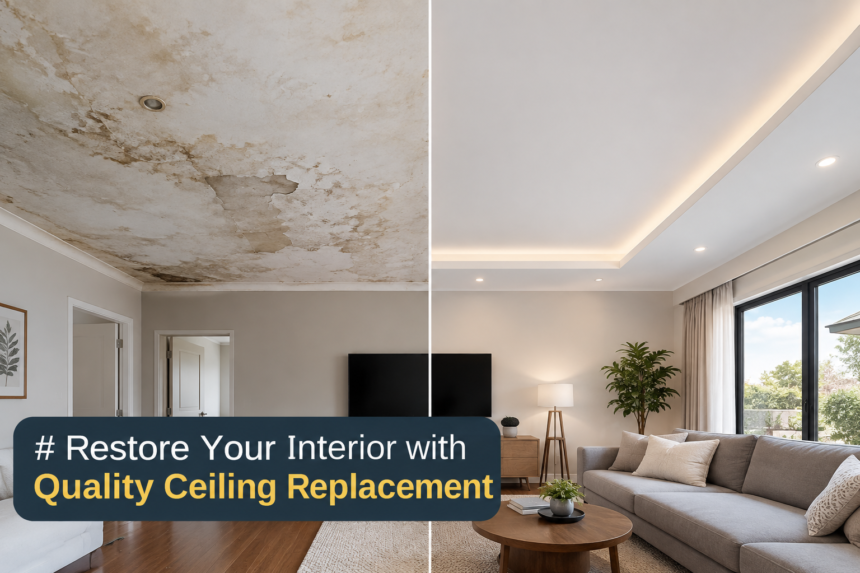
Have you ever walked into a room and felt something was just… off? Perhaps you’ve noticed those unsightly cracks spreading across your ceiling like tiny spider webs. Or maybe that persistent water stain has become an unwelcome focal point in your living room. When was the last time you actually looked up and really examined your ceiling?
Here’s the thing—ceilings are the unsung heroes of interior design. We spend countless hours perfecting our wall colours, choosing the right furniture, and selecting beautiful flooring. Yet the ceiling, often called the “fifth wall,” gets overlooked until problems become impossible to ignore. A damaged or outdated ceiling can drag down the entire aesthetic of your home, making even the most thoughtfully decorated spaces feel tired and neglected.
In this guide, we’ll walk you through everything you need to know about ceiling replacement. From recognising the telltale signs that your ceiling needs attention to understanding costs, materials, and the benefits of hiring professionals, we’ve got you covered. Whether you’re preparing your home for sale or simply want to refresh your interior, you’ll discover how a quality ceiling replacement can completely transform your living spaces.
Signs You Need a Ceiling Replacement
Visible Cracks, Sagging, and Water Damage
Let’s start with the obvious red flags. Cracks in your ceiling can range from hairline fractures to significant splits that demand immediate attention. While small cracks might seem harmless, they often indicate deeper structural issues or foundation movement. Sagging is another warning sign you shouldn’t dismiss—it typically suggests water damage, inadequate support, or deteriorating materials.
Water damage deserves special mention because it’s one of the most common reasons Aussie homeowners consider ceiling replacement. Leaky roofs, burst pipes, or bathroom overflows can leave lasting damage that compromises both the appearance and integrity of your ceiling. If you’ve noticed soft spots, discolouration, or warping, it’s time to take action.
Outdated Materials and Asbestos Concerns
If your home was built before the mid-1980s, there’s a chance your ceiling contains asbestos. This was commonly used in fibro sheeting and some textured ceiling finishes. Asbestos poses serious health risks when disturbed, so if you suspect your ceiling contains this material, don’t attempt removal yourself. Always engage licensed professionals who can safely test and remove hazardous materials.
Beyond safety concerns, older ceiling materials simply don’t perform as well as modern alternatives. They may lack proper insulation properties, contribute to poor acoustics, or simply look dated compared to contemporary options.
Persistent Stains That Won’t Budge
We’ve all tried painting over stubborn ceiling stains, hoping a fresh coat will solve the problem. Unfortunately, some stains keep bleeding through no matter how many layers you apply. These persistent marks often indicate that the damage has penetrated deep into the material itself. In such cases, replacement becomes the only permanent solution.
What Does Ceiling Replacement Involve?
The Step-by-Step Process Explained
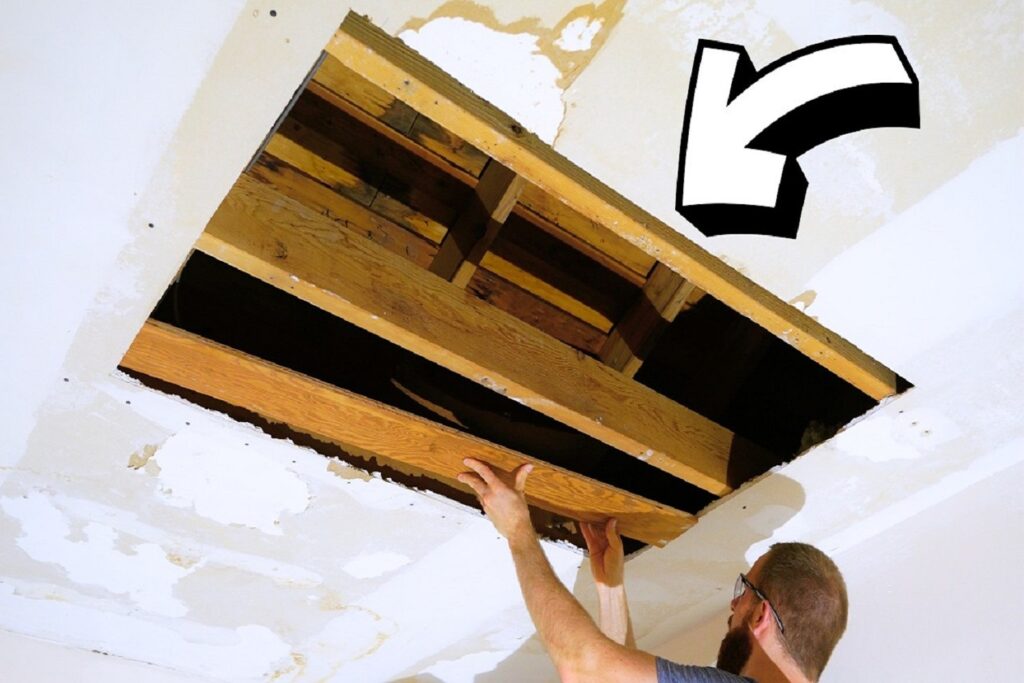
Understanding what’s involved helps set realistic expectations. First, your contractor will assess the existing ceiling and identify any underlying issues like damaged framework or electrical concerns. Next comes the removal phase, where the old ceiling material is carefully taken down and disposed of properly.
Once the space is cleared, any necessary repairs to battens, joists, or wiring take place. Then, new ceiling sheets—typically plasterboard or Gyprock—are measured, cut, and installed. The process concludes with joining, sanding, and finishing work to create that smooth, seamless look we all love.
How Long Does It Take to Replace a Ceiling?
Timeframes vary depending on room size, material choice, and complexity. A standard room might take two to three days from start to finish. However, larger spaces or those requiring significant structural work could extend to a week or more. Your contractor should provide a realistic timeline during the quoting stage.
Types of Ceiling Materials to Consider
Plasterboard and Gyprock Options
Plasterboard remains the most popular choice for Australian homes, and for good reason. It’s cost-effective, versatile, and provides excellent finish quality. Gyprock, a leading brand of plasterboard, offers various thicknesses and specialised products for wet areas, fire resistance, and acoustic performance.
Timber and Decorative Panels
For those wanting something with more character, timber panels create a warm, natural aesthetic. They work beautifully in living areas, outdoor entertaining spaces, or homes with coastal or rustic themes. Decorative pressed metal panels offer another distinctive option, adding heritage charm to period properties.
Suspended and Drop Ceilings for Modern Spaces
Suspended ceilings have moved beyond commercial spaces into contemporary homes. They’re particularly useful for concealing ductwork, pipes, or wiring while providing easy access for maintenance. Plus, they offer excellent acoustic benefits—perfect for home offices or media rooms.
How Much Does Ceiling Replacement Cost in Australia?
Factors That Influence Pricing
Costs vary significantly based on several elements. Room size is the obvious starting point—larger areas require more materials and labour. Material choice matters too; basic plasterboard costs less than premium acoustic panels or decorative timber. The condition of your existing framework affects pricing as well. If battens need replacement or electrical work requires attention, expect higher costs.
Access difficulty also plays a role. High ceilings or rooms with limited entry points increase labour time and complexity. Location matters too—metropolitan areas typically have higher labour rates than regional zones.
Getting Accurate Quotes and Avoiding Hidden Fees
Always obtain at least three quotes from reputable contractors. Ensure each quote includes a detailed breakdown of materials, labour, disposal fees, and any additional work required. Ask specifically about what’s not included to avoid surprise charges later. A trustworthy contractor will be transparent about all potential costs upfront.
Can You Replace a Ceiling Yourself or Should You Hire a Professional?
DIY Risks and Limitations
While some handy homeowners tackle ceiling replacement as a weekend project, it’s worth understanding the risks involved. Working overhead is physically demanding and potentially dangerous. Without proper scaffolding and safety equipment, falls are a real concern.
There’s also the skill factor. Achieving a professional-looking finish requires experience with joining, sanding, and cornicing. Mistakes can be costly to fix and may actually increase your overall expenses when you eventually call in professionals to correct issues.
Benefits of Hiring Licensed Ceiling Contractors
Licensed professionals bring expertise, proper insurance, and guarantees on their workmanship. They understand building codes, can identify hidden problems, and complete work efficiently. What’s more, they have access to trade-quality materials often unavailable to the general public. For most homeowners, hiring professionals proves more cost-effective in the long run.
Is It Worth Replacing a Ceiling Before Selling Your Home?
Absolutely, in most cases. A fresh, flawless ceiling creates an immediate positive impression on potential buyers. It suggests the property has been well-maintained and reduces concerns about hidden problems. Real estate agents consistently report that updated ceilings contribute to faster sales and better offers.
Consider it an investment rather than an expense. The return often exceeds the outlay, particularly if your existing ceiling shows obvious damage or dated finishes. It’s one of those improvements that buyers notice without consciously registering—they simply feel the space looks cleaner and more appealing.
How to Choose the Right Ceiling Replacement Company
What to Look for in a Quality Contractor
Start by verifying licences and insurance. In Australia, plastering and ceiling work requires appropriate trade qualifications. Check online reviews and ask for references from recent projects. A reputable company will happily provide examples of their work.
Experience matters too. Companies with years of industry know-how have encountered virtually every scenario and can handle unexpected complications smoothly. Look for contractors who specialise in residential ceiling work rather than general builders who offer it as a sideline service.
Questions to Ask Before Signing a Contract
Before committing, clarify the project timeline, payment schedule, and warranty terms. Ask who will actually perform the work—will it be in-house employees or subcontractors? Enquire about their process for protecting your furniture and flooring during work. Finally, confirm how they handle any issues that arise after completion.
Invest in Quality for Long-Lasting Results
Taking everything into account, ceiling replacement represents a smart investment in your home’s comfort, safety, and value. We’ve explored the warning signs that indicate replacement is necessary, from water damage and cracks to outdated materials posing potential health risks. You now understand the process involved, material options available, and what influences pricing across Australia.
The decision between DIY and professional installation deserves careful consideration. While tackling projects yourself can be satisfying, ceiling work involves genuine risks and requires specific skills for quality results. Licensed contractors offer expertise, safety, and peace of mind that typically outweigh any cost savings from going it alone.
Your ceiling deserves the attention you give to every other aspect of your home. Whether you’re preparing to sell, updating a tired interior, or addressing long-ignored damage, quality ceiling replacement delivers lasting benefits. So look up, assess what you see, and take that first step toward transforming your interior spaces. Your home—and everyone who lives in it—will thank you for making this worthwhile investment.



