

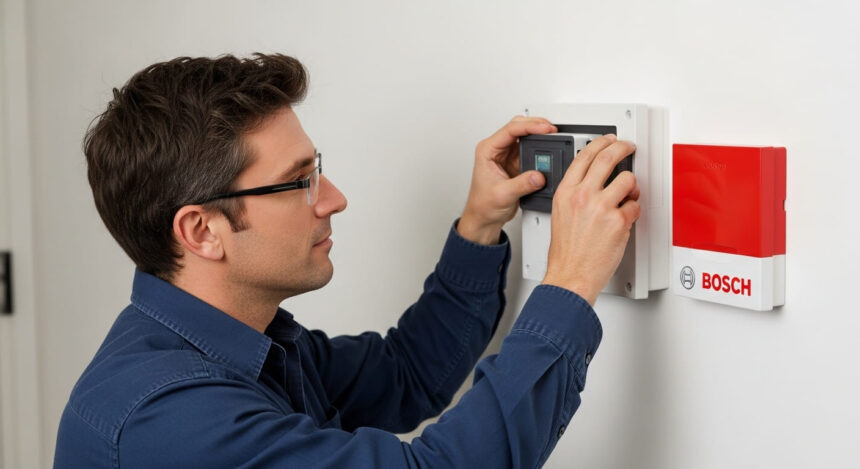
7 Interesting Facts You Should Know About Bosch Alarm Systems
Welcome to the world of smart home safety in Australia. If you are planning a home improvement project, a reliable security solution is a must‑have. Bosch Alarm Systems have become a popular choice for Australian homeowners because they blend advanced technology with local requirements. In this guide we will explore seven interesting facts about Bosch Alarm Systems, dive into Australian regulations, compare local providers, and answer the most common questions you might have. By the end you’ll have a clear picture of how these systems can protect your home and add value to your property.
Fact 1: Bosch Alarm Systems Are Built for the Australian Climate
Australia’s climate ranges from tropical heat in the north to cool winters in the south. Bosch Alarm Systems use components that are rated for a wide temperature range, from –30 °C to +60 °C. This means the sensors, control panels and wireless modules continue to work reliably whether you live in a Brisbane suburb or a Hobart villa. The hardware is also sealed against dust and moisture, which is essential for homes near the coast where salt‑air corrosion can be a problem.
Key climate‑related features
- Temperature‑tolerant electronics
- IP‑rated enclosures for water resistance
- Corrosion‑resistant metal housings
Fact 2: Bosch Alarm Systems Meet Australian Security Standards
In Australia, security installations must comply with AS/NZS 2201 (security systems) and the local building code. Bosch Alarm Systems are designed to meet these standards out of the box. The control panel includes tamper‑proof screws, and the wireless communication uses encrypted 2.4 GHz signals that satisfy the Australian Communications and Media Authority (ACMA) requirements for radio equipment. When you choose a certified installer, you also get a compliance certificate that can be useful for insurance claims.
What the standards cover
- Intrusion detection accuracy
- Fire and smoke alarm integration
- Emergency service communication
Fact 3: Bosch Alarm Systems Offer Seamless Integration with Smart Home Devices
Australian homeowners love to connect everything from lights to door locks to a single app. Bosch Alarm Systems support popular platforms such as Google Home, Amazon Alexa and Apple HomeKit. This means you can arm or disarm the system with a voice command, receive real‑time alerts on your phone, and trigger smart lights when a motion sensor is activated. The integration also works with local energy‑saving devices, helping you reduce electricity bills while keeping your home safe.
Popular integration examples
- Voice‑controlled arming via Alexa
- Smart lock status displayed on the Bosch app
- Automatic garden lighting when a perimeter sensor detects movement
Fact 4: Local Providers Offer Tailored Packages for Different Home Types
From city apartments to rural properties, the needs of Australian households vary. Local security companies such as SecureHome, AussieGuard and SafeNest partner with Bosch to create packages that match the size and layout of your home. For a small apartment in Melbourne, a basic package might include a door/window sensor, a motion detector and a keypad. For a large family house in Perth, the package could add outdoor cameras, flood sensors for the garden, and a solar‑powered backup battery.
Typical package options
- Starter kit – 1 control panel, 4 sensors, mobile app
- Family kit – includes outdoor cameras and smoke detectors
- Premium kit – integrates with home automation, solar backup and professional monitoring
Fact 5: Bosch Alarm Systems Can Be Monitored Locally or Professionally
You have the choice of self‑monitoring through the Bosch mobile app or subscribing to a professional monitoring service. In Australia, many providers offer 24/7 monitoring with direct links to police, fire and ambulance services. Professional monitoring adds an extra layer of security for those who travel often or have vulnerable family members. Self‑monitoring, on the other hand, gives you full control and can be more cost‑effective for tech‑savvy users.
Pros and cons
- Professional monitoring: immediate emergency response, higher monthly fee
- Self‑monitoring: lower cost, requires you to react to alerts
Fact 6: Bosch Alarm Systems Are Energy Efficient and Can Use Solar Power
Energy efficiency is a key concern for many Australians, especially those living in remote areas where power outages are common. Bosch Alarm Systems can be paired with a solar panel and a battery backup that keeps the system running for days without grid power. The low‑power sensors and intelligent sleep modes further reduce energy consumption, making the system environmentally friendly and economical.
Solar backup benefits
- Continues operation during blackouts
- Reduces reliance on mains electricity
- Supports sustainability goals
Fact 7: Bosch Alarm Systems Enhance Property Value and Insurance Discounts
A well‑installed security system is a selling point for Australian real‑estate markets. Buyers often view a Bosch Alarm System as a sign of a cared‑for home. Additionally, many insurers offer discounts of up to 15 % for homes equipped with certified alarm systems. The discount is based on reduced risk of theft and fire, and the presence of a monitored system can lower your premiums for years to come.
How Bosch Alarm Systems Fit Into Australian Home Improvement Projects
When you plan a renovation, consider where the control panel will be mounted, how wiring will run, and where sensors should be placed for optimal coverage. In new builds, the wiring can be hidden behind walls, while retrofits may rely on wireless sensors that attach to existing frames. The flexibility of Bosch Alarm Systems means you can adapt the installation to any stage of a home improvement project without major structural changes.
Installation tips for DIY enthusiasts
- Plan sensor locations before drilling
- Use a level to mount the control panel at eye height
- Test each sensor after installation using the Bosch app
Choosing a Local Provider for Bosch Alarm Systems
Selecting the right installer is crucial. Look for companies that are licensed under the Australian Security Industry Association (ASIA) and have experience with Bosch Alarm Systems. Ask for references from recent projects in your state, and verify that they provide a warranty covering both hardware and installation workmanship. A good provider will also help you navigate any council approvals required for external cameras or alarm sirens.
Questions to ask a potential installer
- Are you ASIA‑registered?
- Do you offer a compliance certificate?
- What monitoring options are available?
- Can you integrate the system with my existing smart home devices?
Conclusion: Your Path to a Successful Bosch Alarm Systems in Australia
Bosch Alarm Systems provide a robust, climate‑ready, and compliant solution for Australian homeowners looking to improve safety and increase property value. By understanding the seven key facts—climate resilience, standards compliance, smart home integration, local provider options, monitoring choices, energy efficiency, and insurance benefits—you can make an informed decision that fits your home improvement plan. Choose a licensed local installer, ensure the system meets AS/NZS 2201, consider professional monitoring or self‑monitoring based on your lifestyle, and explore solar backup if you live in an area with frequent power cuts. With these steps, you’ll enjoy peace of mind, lower insurance costs, and a smarter, safer home for years to come.