

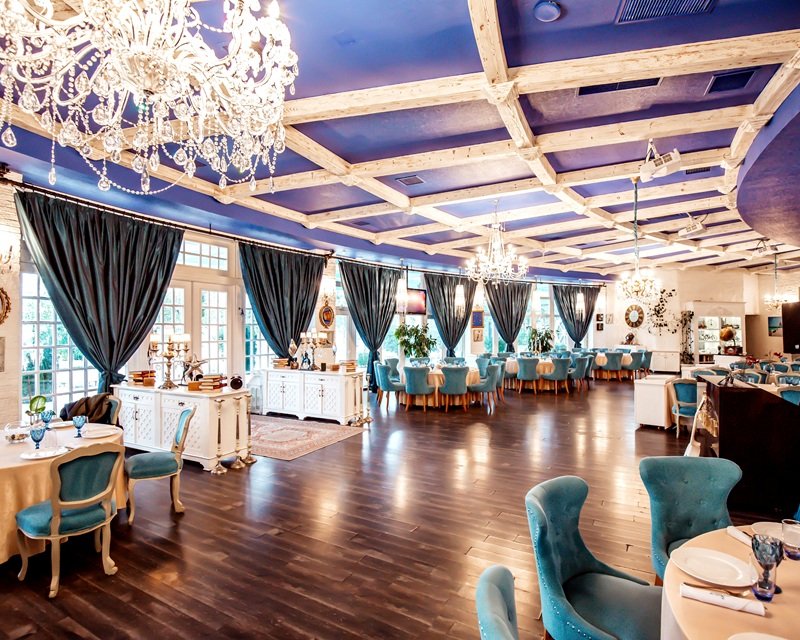
Australia’s climate plays a big part in how your function might sometimes play out. If you’re planning an outdoor area as part of your function room hire, summer in most southern cities can really get properly hot, & guests won’t thank you for a stuffy space with dodgy air conditioning. Brisbane & Sydney can really feel especially humid in January & February, so make sure the venue’s cooling copes. Up north, the wet season runs from around November through March, & bursts of rain can easily hit without much warning. That doesn’t mean you shouldn’t book then, just that you need to check the venue has back‑up plans for indoor areas, & whether the gardens or verandas are undercover.
Picking the Right Time of Year
Timing Also Affects Your Budget
Timing also affects your budget. Most venues have peak periods when demand spikes: the Christmas party season, wedding months like spring & early autumn. And sometimes big local events such as the Grand Prix in Melbourne or major sporting finals. During those peaks, your function room hire will likely cost more, & you might simply struggle to find any availability at all. If your date is flexible, think about shifting to a quieter month! Many Aussie venues offer better rates during the winter months or midweek, which could often save you a fair chunk. July & August are often the cheapest months for functions in most capital cities, though you’ll want to confirm the heating is solid.
The Day of the Week Matters Too
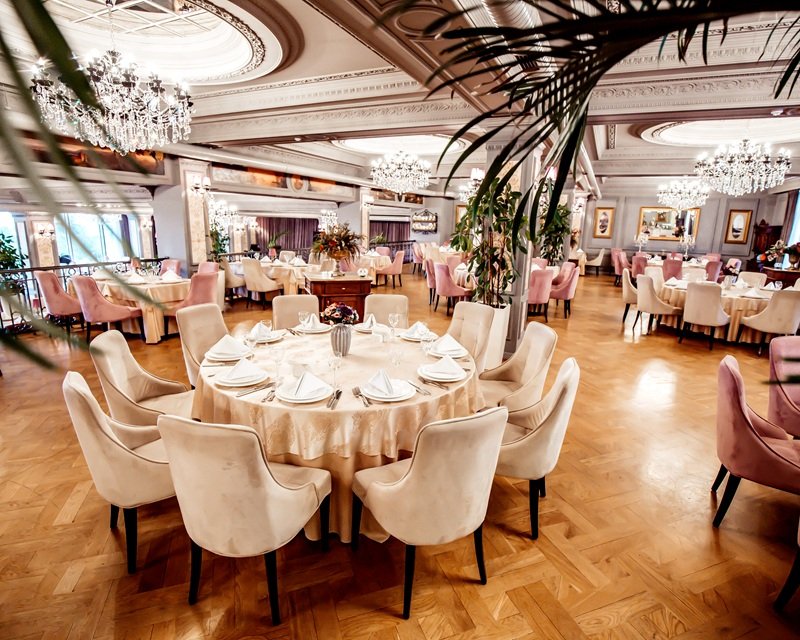
The day of the week matters too. Saturdays are almost always the most expensive & the busiest, while Thursdays and Sundays often come with lower rates. Some venues even run special deals for Friday lunch sessions or Sunday afternoons! If you’re holding a corporate event, a Tuesday or Wednesday morning slot might be the smartest pick for both price & attendance, & that context makes the wider picture around function room hire much easier to read. You’ll also avoid the Friday traffic, which in Sydney or Melbourne can often turn a simple trip into a two‑hour crawl.
One last thing: think about the time of year from your guests’ perspective. January is a common holiday month in Australia, with many people away at the beach or travelling interstate. School holidays can also make it harder for families to attend, & public holidays like Easter or the King’s Birthday long weekend often thin out your numbers, a factor that quietly shapes the long‑term results you get from function room hire.
Check your guest list before locking anything in, & don’t be afraid to ask the venue about their quieter periods. A bit of flexibility on your end could often open far better options, & you might simply end up with a nicer space for less money. Just remember to give everyone enough notice, especially if you’re moving your date to fit the venue’s schedule.
What You’ll Actually Pay
Figuring out the price of a function room in Australia can often feel like pulling teeth. Venues rarely put their full price list on their website, & for good reason! The final number depends on so many moving parts that a simple quote often misses the mark. That said, you can often get a rough idea before you even pick up the phone and knowing what to look for will save you from a nasty surprise when the invoice lands, which is why it pays to read the fine print before you commit to function room hire.
Most venues quote a room hire fee, but this is only the starting point. In many cases, this fee covers the space & some basic furniture, like tables & chairs, & keeping that in view makes every conversation you’ve about function room hire noticeably more productive. If you want anything beyond that, the costs start stacking up. Catering is the big one, & it’s often charged per head, not as a flat rate. You might sometimes see a price like $80 per person, but that usually covers a set menu. Want a premium option, a seafood tower, or an open bar? That goes up fast! Always ask what the per‑head price includes before you compare it to another venue.
You Also Need to Think
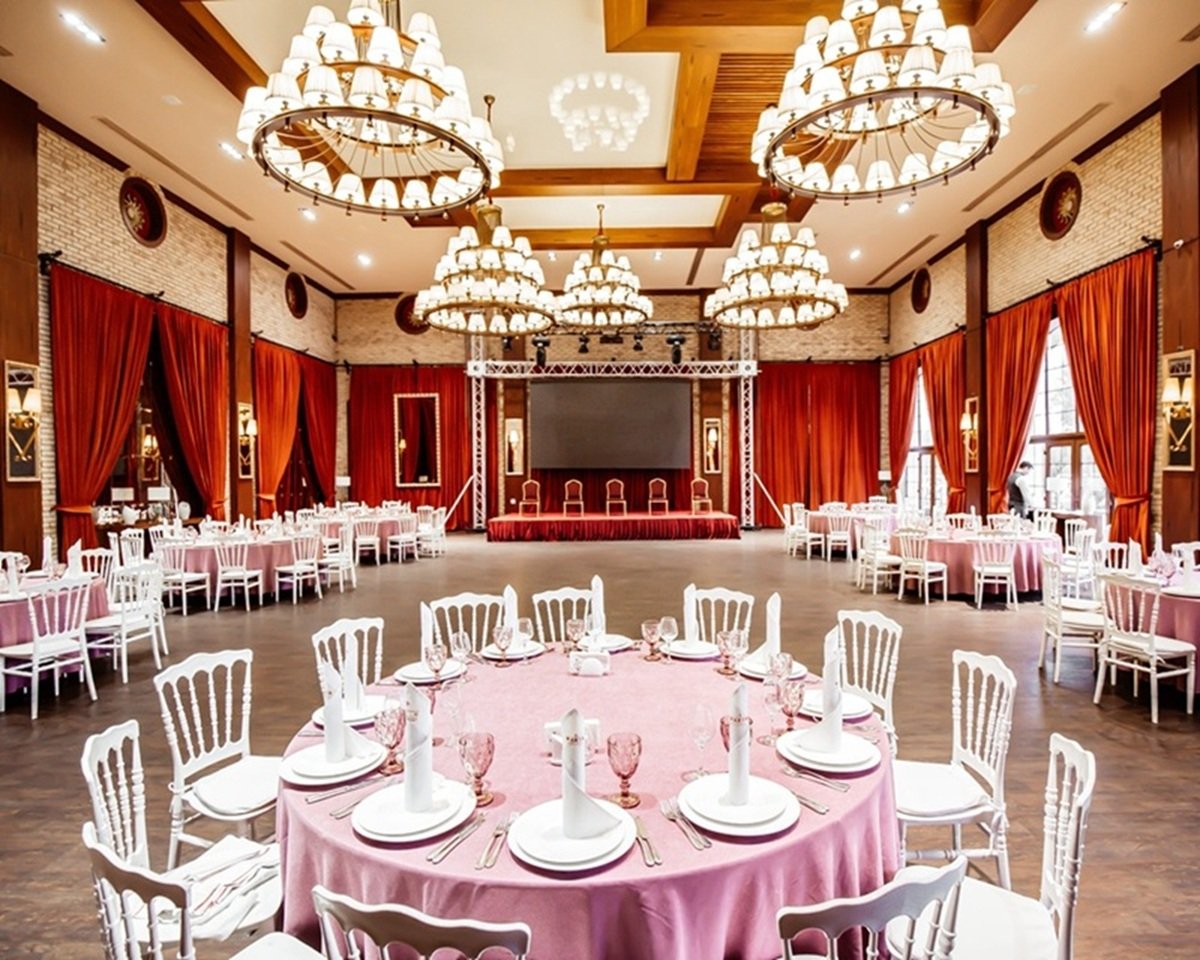
You also need to think about the extras that aren’t always obvious. Staffing costs, for example, are sometimes added on separately, especially for events that run late into the night. Cleaning fees can easily appear out of nowhere, & some places charge a corkage fee if you want to bring your own wine. Here are a few hidden costs to keep an eye out for:.
- Audio visual equipment, like microphones, projectors, or speakers, which often comes with a separate rental charge.
- A security guard, which is mandatory for some venues depending on the time & the number of guests.
- A minimum spend requirement, which means you’ve to guarantee a certain amount on food and drinks even if your guest list shrinks.
When you’re budgeting for function room hire in Australia, always build in a buffer of about ten to fifteen percent. That way, you won’t be caught off guard by a last‑minute request for extra staff or a longer set‑up time, an idea that comes up repeatedly whenever people talk through function room hire with someone who has done it before. Get everything in writing and ask for a full breakdown of what’s included and what’s not. A good venue will be upfront with you. If they’re vague or hesitant to give you numbers, that’s a red flag! You want to know exactly where your money is going before you sign anything, not after.
Conclusion and Your Next Move
There is no single trick behind function room hire, just a handful of sensible choices. Come back to the sections above whenever a detail slips your mind. Pick one change, try it this week, and see how it goes before touching anything else. Where will you start?