

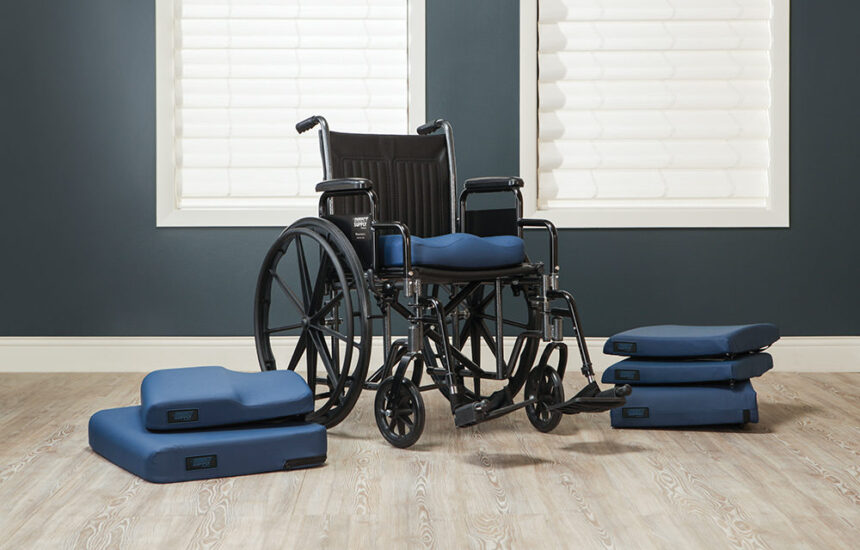
Are you in the market for a folding wheelchair but feeling overwhelmed by all the options out there? What features actually matter when it comes to finding the right mobility aid? And how do you know which chair will genuinely make your daily life easier rather than becoming a frustrating hassle?
Choosing the right folding wheelchair is about so much more than just picking something that folds. It’s about finding a chair that fits your lifestyle, supports your body properly, and gives you the independence you deserve. Whether you’re looking for something to pop in the car boot for weekend outings or a reliable daily companion, the features you prioritise can make all the difference between a chair you love and one that gathers dust in the garage.
In this guide, we’ll walk you through the top five features you should consider when shopping for a folding wheelchair. We’ll cover everything from weight and portability to comfort, durability, and manoeuvrability. Plus, we’ll touch on bonus considerations like NDIS funding options and whether electric or manual is right for you. By the end, you’ll feel confident about what to look for and ready to make an informed choice that suits your unique needs.
What Makes Folding Wheelchairs Different from Standard Wheelchairs?
Before we get stuck into the features, let’s quickly clarify what sets folding wheelchairs apart. Unlike rigid-frame wheelchairs, folding models are designed with hinged frames that collapse for easy storage and transport. This makes them brilliant for people who travel frequently, have limited storage space, or need to switch between different vehicles.
The trade-off? Folding wheelchairs can sometimes be slightly heavier or less efficient for propulsion compared to rigid frames. However, modern designs have narrowed this gap significantly, with many folding chairs now offering excellent performance alongside their convenient collapsibility.
1. Lightweight Design and Portability
Why Weight Matters in a Folding Wheelchair
When you’re lifting a wheelchair in and out of cars, navigating through airports, or simply storing it away, every kilogram counts. A heavy chair quickly becomes exhausting to manage, particularly for carers or users who self-propel and need to load their own chair independently.
What Is the Best Weight for a Folding Wheelchair?
Most quality folding wheelchairs weigh between 8 and 15 kilograms. Lightweight aluminium models typically fall in the 8-12kg range, while steel frames tend to be heavier at 14-18kg. For frequent travellers, aiming for something under 12kg is ideal. Ultra-lightweight options can dip below 8kg, though these often come with a higher price tag.
Materials to Look For: Aluminium vs Steel Frames
Aluminium frames offer the best balance of strength and lightness. They resist rust, handle well, and are perfect for active users. Steel frames are more affordable and incredibly durable, making them suitable for heavy-duty use. However, they’re noticeably heavier. Consider your priorities—if portability tops your list, aluminium is worth the investment.
2. Folding Mechanism and Ease of Use
Types of Folding Wheelchair Mechanisms Explained
Not all folding systems are created equal. The most common is the cross-brace fold, where the chair collapses side-to-side. Some models fold front-to-back, creating a more compact package. Others combine both actions for maximum compactness. Understanding these differences helps you choose what works best for your storage situation.
How Do You Fold a Wheelchair for Transport?
Most folding wheelchairs collapse in seconds. Typically, you’ll flip up the footrests, remove or fold the armrests if applicable, and then pull up on the seat handles to collapse the frame. The best chairs manage this smoothly without pinching fingers or jamming mechanisms.
One-Hand Folding: Is It Worth It?
Absolutely, especially if you’re managing the chair independently. One-hand folding mechanisms allow users with limited strength or dexterity to operate their chair without assistance. This feature adds significant independence and is well worth seeking out.
Compact Fold Dimensions: What Will Fit in Your Car Boot?
Always check the folded dimensions against your vehicle’s boot space. A chair that folds to 30cm wide and 80cm tall will fit most hatchbacks comfortably. Measure your boot before buying and compare specifications carefully—there’s nothing worse than discovering your new chair doesn’t fit after you’ve brought it home.
3. Comfort and Seating Support
Seat Width and Depth: Finding Your Perfect Fit
Comfort starts with proper sizing. A seat that’s too narrow feels restrictive, while one that’s too wide provides inadequate support and makes self-propelling difficult. Standard widths range from 40-50cm. To find your ideal size, measure across your hips while seated and add 2-3cm for comfort.
Cushioning and Upholstery Options
Seat cushioning varies dramatically between models. Basic nylon slings offer minimal padding, while premium options include memory foam or gel cushions. Breathable mesh fabrics help prevent overheating during extended use. For all-day comfort, consider investing in a separate pressure-relief cushion.
Armrest and Footrest Adjustability
Adjustable armrests and footrests accommodate different body proportions and activities. Flip-back armrests make transfers easier, while swing-away footrests simplify getting in and out. Height-adjustable leg rests support proper posture and circulation. These small details significantly impact daily comfort.
Are Folding Wheelchairs Comfortable for All-Day Use?
Yes, with the right setup. Many users spend entire days in their folding wheelchairs comfortably. The key lies in proper sizing, adequate cushioning, and appropriate back support. Don’t settle for discomfort—a well-fitted chair should feel like an extension of yourself.
4. Durability and Build Quality
How Long Do Folding Wheelchairs Last?
A quality folding wheelchair typically lasts 5-10 years with proper maintenance. Premium models with robust frames and replaceable components can serve you even longer. Cheaper options might only manage 2-3 years before requiring replacement.
Weight Capacity: Choosing a Chair That Supports You Safely
Standard folding wheelchairs support 100-120kg, while heavy-duty models handle 150-200kg or more. Always choose a chair rated above your body weight to ensure safety margins and longevity. Overloading damages frames and voids warranties.
Warranty and After-Sales Support in Australia
Look for manufacturers offering minimum 12-month warranties on frames and components. Australian suppliers with local service centres provide faster repairs and better ongoing support. Reading reviews about after-sales experiences gives valuable insight into what happens when things go wrong.
5. Manoeuvrability and Wheel Configuration
Indoor vs Outdoor Use: Which Wheels Work Best?
Wheel size significantly affects performance. Smaller front castors (15-20cm) offer tight turning for indoor navigation, while larger rear wheels (50-60cm) provide easier self-propelling. For mixed use, look for versatile mid-sized options that handle both environments competently.
Tyre Types: Solid, Pneumatic, or Puncture-Proof?
Pneumatic (air-filled) tyres offer the smoothest ride but require maintenance and risk punctures. Solid tyres are maintenance-free but transmit more vibration. Puncture-proof options combine benefits of both, providing cushioning without flat-tyre worries—ideal for outdoor adventures.
Turning Radius and Navigating Tight Spaces
A tight turning radius makes navigating cramped bathrooms and narrow doorways far easier. Look for chairs with compact wheelbases and responsive steering. Testing manoeuvrability before purchasing saves frustration later.
Bonus Considerations When Buying a Folding Wheelchair
NDIS Funding and Folding Wheelchairs in Australia
Many Australians access folding wheelchairs through NDIS funding. Your plan may cover manual wheelchairs under assistive technology categories. Working with registered providers ensures compliance and often provides additional support services.
Electric vs Manual Folding Wheelchairs: Which Is Right for You?
Electric folding wheelchairs suit users with limited upper body strength or those covering longer distances. Manual options offer simplicity, lighter weight, and lower costs. Consider your physical capabilities, typical usage patterns, and budget when deciding.
How Much Does a Good Folding Wheelchair Cost?
Quality folding wheelchairs range from $300 for basic models to $3,000+ for premium lightweight options. Electric folding chairs typically start around $2,500. Investing in quality pays dividends through comfort, durability, and reduced long-term costs.
Frequently Asked Questions
What Is the Lightest Folding Wheelchair Available?
Ultra-lightweight models weigh as little as 6-7kg, though most quality options fall between 8-10kg.
Can Folding Wheelchairs Be Taken on Aeroplanes?
Yes, most airlines accommodate folding wheelchairs as checked luggage or gate-checked items. Contact your airline beforehand for specific requirements.
How Do I Maintain My Folding Wheelchair?
Regular maintenance includes checking tyre pressure, lubricating moving parts, tightening bolts, and cleaning upholstery. Inspect your chair monthly for wear.
Making the Right Choice for Your Mobility Needs
Selecting the perfect folding wheelchair doesn’t need to feel overwhelming. By focusing on these five key features—lightweight design, folding mechanism, comfort, durability, and manoeuvrability—you’ll narrow down your options to chairs that genuinely suit your lifestyle.
Remember, the best wheelchair is one you’ll actually use confidently every day. Don’t compromise on comfort or quality to save a few dollars. Take time to test different models, measure carefully, and consider your specific needs. Whether you’re exploring local markets or travelling interstate, the right folding wheelchair opens up possibilities.
Ready to find your perfect match? Visit mobility specialists in your area, explore NDIS options if eligible, and don’t hesitate to ask questions. Your independence and comfort are worth the effort. Here’s to finding the folding wheelchair that helps you live life on your terms.