

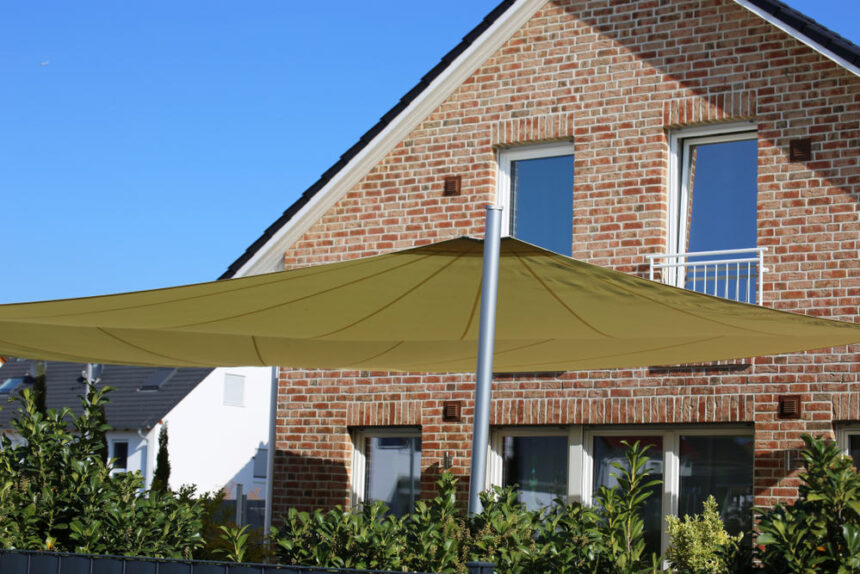
We’re talking about waterproof shade sails and how they can turn a backyard into a year-round retreat. Below you’ll find the low-down on choosing buying installing and caring for these versatile covers with a focus on Australian weather local suppliers and real-world results.
Why Choose Waterproof Shade Sails?
First off, they block UV like a champ while still letting a breeze through. Look, the fabric is treated to shed rain, so a sudden downpour won’t ruin a weekend brunch. From what I’ve seen on the Gold Coast, a well-tensioned sail can handle gusts of 80 km/h without flapping apart.
And they’re lighter than a traditional pergola roof, so you can fit them over a pool, patio or play area without massive supports. I mean, the thing is, the material is usually coated with a marine-grade polymer, which means it resists mould & mildew even in humid brisbane summers.
What typically happens is people install a sail, forget about it, & months later it looks faded — The fix is simple: choose a fabric with a UV-resistant rating of at least 95 % and a waterproof rating of 5 000 mm — That combo keeps colour punch and water-tight for years.
Selecting the Right Fabric and Design
There are three main fabric families you’ll run into in Australia: marine-grade polyester, solution-dye acrylic and PVC-coated canvas. Marine-grade polyester is the most popular in Sydney because it stays flexible when wet. Acrylic is favoured in Perth for its colour-fastness, while PVC-coated canvas shines in Adelaide’s hot, dry climate.
And shape matters — Triangular sails are quick to install and work great over a single pole. Square or rectangular options need four anchor points and give a sleek modern look. I’ve noticed that a 5 × 5 m square sail can cover a 25 m² deck leaving just enough room for a BBQ table.
- Check the UV rating – aim for 90 %+.
- Waterproof rating – 5 000 mm is a solid baseline.
- Colour – darker shades hide grime lighter shades reflect heat.
- Stitching – double-stitched edges add strength.
Regional Considerations: Melbourne, Sydney, Queensland, Perth & Adelaide
Melbourne’s changeable climate calls for a sail that dries quickly. Marine-grade polyester with a quick-dry coating is ideal. In Sydney the salty sea breeze can accelerate wear so a marine-grade fabric with anti-corrosion UV is a must.
Queensland’s tropical heat and occasional cyclones mean you need a high-tension system and a fabric rated for 10 000 mm waterproofing. Perth’s scorching summer sun makes UV protection the top priority, while Adelaide’s dry winters benefit from a sail that still lets in light but blocks wind.
- Melbourne – quick-dry polyester, 5 000 mm waterproof.
- Sydney – marine-grade anti-corrosion, 5 000 mm.
- Queensland – high-tension, 10 000 mm waterproof.
- Perth – UV-resistant acrylic, 5 000 mm.
- Adelaide – breathable canvas, 5 000 mm.
Where to Buy Waterproof Shade Sails in Australia
There are a handful of reliable retailers that ship nationwide and have showrooms in major cities. Below is a quick comparison of three popular brands you’ll find in hardware stores and online.
| Brand | Fabric | UV Rating | Waterproof Rating | Typical Use |
| Sunshade Marine | Marine-grade polyester | 95 % | 5 000 mm | Sydney coastal homes |
| Aussie UV Guard | Acrylic solution-dye | 99 % | 5 000 mm | Perth patios |
| Coastal Shield | PVC-coated canvas | 92 % | 10 000 mm | Queensland gardens |
In Melbourne you’ll find Sunshade Marine at Bunnings & independent shops on Brunswick Street. Sydney buyers often head to the waterfront store in Pyrmont. In Brisbane, Coastal Shield has a showroom in West End. Perth residents can pick up Aussie UV Guard from the local outlet on James Street.
Installation Options: DIY vs Professional Services
DIY installation is doable if you have a basic toolbox & a drill — The steps are: measure, drill anchor holes, install fixings, tension the sail & tie the knots. I’ve seen a family in Canberra finish a 4 × 4 m sail in a Saturday afternoon.
But if you live in a high-wind zone like the Northern Beaches, hiring a pro is worth the peace of mind — Professional installers in Sydney use tensioning bars and torque-wrench kits to guarantee the sail stays taut, even during a storm.
- Tools needed for DIY: drill, stainless-steel eye bolts, turnbuckles, rope.
- Professional service includes site survey, custom-cut sail, guaranteed tension.
- DIY tip: use a spirit level to keep the sail square.
- Pro tip: ask for a warranty that covers wind damage.
Maintenance and Longevity Tips
Keeping a waterproof shade sail in top shape is easier than you think. A quick rinse with a garden hose after a rainstorm removes salt & dust. For stubborn stains, a mild soap solution and a soft brush do the trick.
And check the tension every six months. The fabric can stretch, especially after a hot summer. Tightening the turnbuckles restores the original shape and prevents sagging.
- Clean early in the morning to avoid water spots.
- Inspect stitching & eye bolts for corrosion.
- Repair small tears with a waterproof patch kit.
- Store the sail flat if you’re removing it for winter in colder regions.
Case Study: Queensland Family’s Backyard Transformation
Emma and James live in a suburb of Brisbane’s north side. Their patio was exposed to heavy rain and harsh UV, making outdoor meals a gamble. They chose a 6 × 6 m square waterproof shade sail from Coastal Shield, installed it themselves with a set of stainless-steel eye bolts and turnbuckles.
Within a week, the space went from soggy to dry. The sail’s 10 000 mm waterproof rating handled a sudden thunderstorm without soaking the dining table. Over the next three months, the UV-blocking fabric kept the furniture from fading, and the family reported a noticeable drop in indoor heat when the sail was up.
What made the difference was the combination of a high-tension system and a marine-grade fabric that resisted mould despite Brisbane’s humidity. Like, emma now hosts weekend barbecues without worrying about rain, and the kids play under the shade during the hot summer afternoons.
Conclusion
Waterproof shade sails are a smart versatile solution for Australian homes. From the windy coasts of Sydney to the sun-baked suburbs of Perth, the right fabric and proper installation give you a reliable outdoor shelter that blocks UV, sheds rain and lasts for years. Choose a reputable brand, match the fabric to your local climate, decide whether to go DIY or hire a pro, and keep up with simple maintenance — The result? A comfortable, stylish outdoor space that works in any weather, letting you enjoy the backyard all year round.