

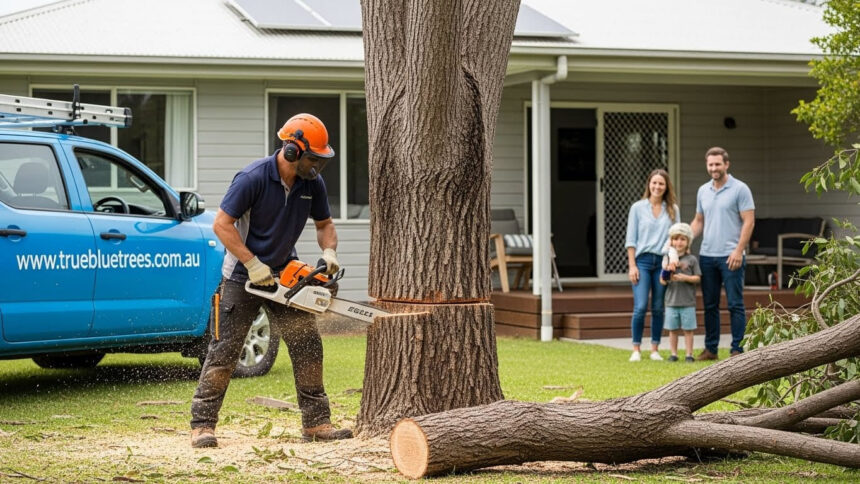
Tree removal on the Mornington Peninsula isn’t just about chopping a trunk – it’s about safety, council rules, & keeping your garden healthy — In this guide I’ll walk you through the whole process, from spotting a risky tree to getting the right permit, hiring a licensed arborist, and finishing with stump grinding & site restoration. You’ll learn when to act, what equipment to expect, & how the local coastal climate shapes each step. By the end you’ll have a clear, practical roadmap for any tree removal project on the Peninsula.
Understanding When Tree Removal Is Needed on the Mornington Peninsula
From what I’ve seen, most homeowners first consider tree removal when a tree threatens a roof, power line, or driveway. Like, in the mornington peninsula, strong summer winds and occasional bushfire‑risk eucalyptus can make a healthy‑looking tree a hidden hazard. In my experience, a tree with a cracked trunk, dead branches, or fungal growth should be inspected by a qualified professional before you decide to keep it.
What typically happens is the arborist will do a risk assessment & give you a written report. Ah, that report will note species, condition, and proximity to structures. It also highlights any native‑tree considerations, because the Victoria government protects certain indigenous species.
And if the tree is on a steep slope near a coastal road the risk goes up. The soil can be shallow roots may be exposed and the sea breeze accelerates decay. I’ve noticed that owners in Dromana often have to act faster than those inland.
Key Signs That a Tree Needs Removal…
- Large cracks or split trunks that wiggle when you push.
- Dead or dying branches that fall on a lawn or sidewalk.
- Root systems that lift paving slabs or interfere with underground services.
- Signs of disease such as fungal conks bark loss or excessive sap bleeding.
- Species that are known fire‑risk in the area, like certain Eucalyptus varieties.
Legal Requirements and Permits for Tree Removal in Victoria…
In Victoria the council controls tree removal to protect the environment and heritage values. The Mornington Peninsula Shire requires a tree felling permit for any tree larger than 30 cm diameter at breast height, unless it’s an emergency. Ah, the permit process is straightforward if you have a proper arborist report.
What typically happens is you submit an application with the arborist’s assessment, a site plan, and a description of the intended work. The council then checks for any heritage listings, native‑tree protections, and proximity to neighbour properties. You’ll hear back within 10‑15 business days if everything is in order.
And if the tree is a protected native species, you’ll need a separate approval under the native tree removal Australia guidelines. That means you might have to replace it with an approved species or contribute to a local re‑planting program.
Steps to Secure a Tree Removal Permit
- Hire a licensed arborist Melbourne who can produce a detailed risk assessment.
- Gather site photographs and a clear map showing the tree’s location.
- Complete the council’s online permit form and attach the arborist’s report.
- Pay the modest application fee (no price details needed here).
- Wait for the council’s decision and address any conditions they set.
Choosing the Right Professional: What to Look For in a Tree Removal Service —
In my experience, the best tree removal companies on the Peninsula have three things in common: a current licence, full public liability insurance, and a crew that knows how to work on narrow coastal streets. Look for a company that displays a “licensed arborist Melbourne” badge on their website or vehicle.
And don’t be fooled by low‑ball quotes. A cheap offer often means they’re cutting corners on safety or equipment. The right crew will use a bucket‑truck or crane for larger trees, and a rope‑&‑winch system for those tucked behind a house.
What typically happens is you ask for proof of insurance & a copy of their safety plan. Make sure they also have a waste‑removal agreement for the timber and branches, especially if you want to recycle the wood into mulch.
Questions to Ask Before Signing a Contract
- Are you a licensed arborist or do you work with one?
- What insurance coverage do you carry for property damage and personal injury?
- Which equipment will you use for my specific tree size and location?
- Do you offer stump grinding as part of the service?
- Can you provide references from other Mornington Peninsula clients?
Safety, Equipment, and the Removal Process – From Survey to Cleanup
Safety is non‑negotiable. In the Mornington Peninsula, strong gusts can make a crane unstable, especially on the exposed cliffs of Sorrento. A qualified crew will always conduct a site survey first, marking underground utilities, checking wind speed, and setting up exclusion zones.
And the equipment choice depends on tree size and site constraints. You know? For a 12‑meter eucalyptus in a spacious backyard, a crane with a 5‑ton capacity works well. A narrow lane behind a victorian‑era villa, a bucket‑truck with an extendable boom is safer.
What typically happens after the survey is a step‑by‑step removal plan:
- Secure the area with safety tape and signage.
- Set up an anchor point for rope‑&‑winch if the tree is close to the house.
- Cut the trunk into manageable sections using a chainsaw or a hydraulic saw.
- Lower each section carefully, watching for wind gusts.
- Clear debris and load it onto a trailer for transport.
And after the tree is down, the crew will haul away the logs, branches, and any bark. If you want the wood for firewood, let them know – many local councils encourage re‑use of timber.
Typical Timeline for a Tree Removal Day
- 08:00 – Arrival site set‑up and safety briefing.
- 08:30 – Inspection of tree and surrounding area.
- 09:00 – Installation of rigging & anchor points.
- 09:30 – Cutting and lowering of trunk sections.
- 11:30 – Clean‑up and stump grinding (if requested).
- 12:30 – Final walk‑through with homeowner.
Stump Grinding and Site Restoration After Tree Removal
Stump grinding is the final piece of the puzzle — A stubborn stump left in the garden can become a breeding ground for fungus and attract pests. In the Mornington Peninsula, the soil is often sandy near the coast, making it easier for a grinder to reach the root zone.
And if you’re planning to re‑plant, the grinder will leave a shallow depression that you can fill with topsoil and compost. I recommend using a locally sourced mulch to retain moisture, especially during the dry summer months.
What typically happens is the crew will use a 75‑mm or 100‑mm grinder, depending on stump size. The grind depth is usually 30‑45 cm, enough to remove the majority of the root mass.
Steps for a Healthy Site After Grinding
- Remove loose wood chips and level the area.
- Add a layer of organic compost (about 5 cm thick).
- Spread a 10‑cm layer of mulch to suppress weeds.
- Plant a native shrub or groundcover to stabilise the soil.
- Water the new planting lightly for the first week.
Emergency Tree Removal and Storm Damage Response in the Peninsula
Storms are a reality on the Mornington Peninsula, especially during the winter months when cold fronts bring heavy rain and strong winds. An emergency tree removal service must be able to act quickly, often within 24‑48 hours.
And the council’s emergency tree removal Victoria guidelines require a rapid risk assessment. If a tree has fallen across a road or is threatening a power line, the crew will coordinate with the local utility company and the shire’s emergency management team.
What typically happens in an emergency is the team uses a combination of portable cranes and rope‑&‑winch systems to clear the tree safely. They also bring a portable stump grinder in case the stump is in a high‑traffic area.
Key Points for Homeowners Facing an Emergency
- Call a licensed arborist immediately – they can issue a rapid risk report.
- Notify your electricity and gas providers if the tree is near utilities.
- Keep pets and children away from the work zone.
- Document the damage for insurance purposes.
- Ask the crew about clean‑up and disposal options.
Seasonal Timing, Environmental Impact, and Re‑planting Options
Timing matters. In the Mornington Peninsula the best window for tree removal is late winter to early spring (July‑September) when trees are dormant and the soil is moist. This reduces stress on the surrounding plants and makes stump grinding easier.
And you should consider the impact on local wildlife. Many native birds nest in mature trees, so a removal can disrupt habitats. I always recommend planting a replacement tree within six months, preferably a native species like angophora or a grevillea.
What typically happens when you choose a carbon‑offset program is the removal company will calculate the tree’s carbon storage and help you purchase credits to plant a new tree elsewhere. It’s a good way to keep the environmental balance.
Re‑planting Checklist
- Choose a native species suited to the micro‑climate (coastal vs inland).
- Check the soil pH and amend if necessary.
- Plant at the same depth as the original root ball.
- Water weekly for the first two months.
- Mulch to retain moisture and suppress weeds.
Conclusion
Tree removal on the Mornington Peninsula is a blend of safety, legal compliance, and respect for the local environment. By understanding when a tree is a risk, securing the right permits, hiring a licensed arborist, and following a clear removal process, you protect your home & keep the neighbourhood beautiful. Remember to grind the stump, restore the site, & re‑plant native trees to maintain biodiversity — With these practical steps, you’ll master tree removal and keep your garden thriving for years to come.