

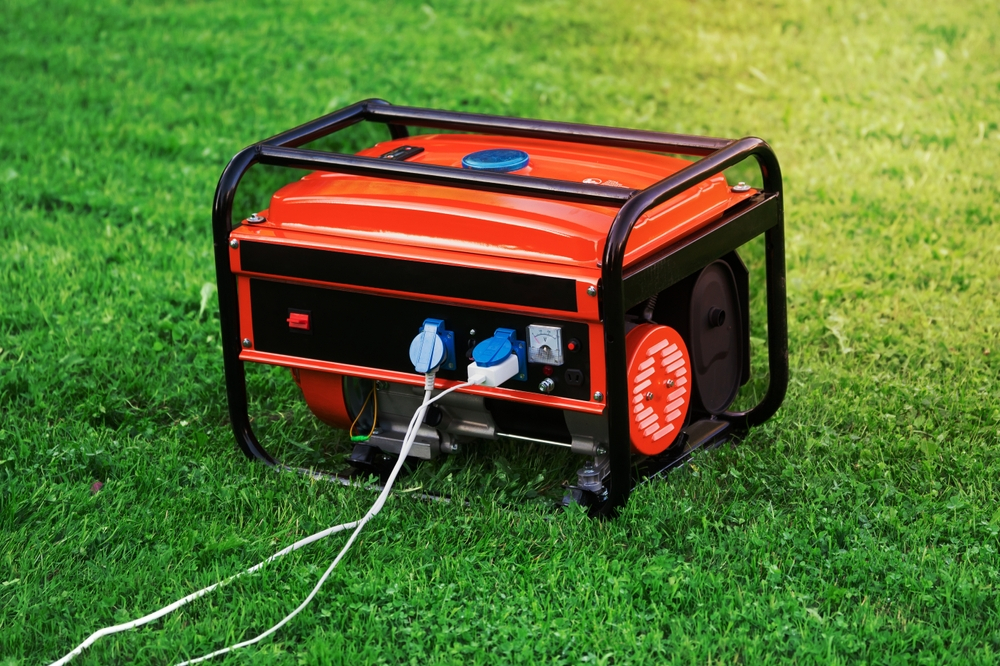
In my experience, a reliable Generators System is the backbone of any Sunshine Coast operation that can’t afford downtime, whether it’s a seaside café in Mooloolaba or a construction crew on the Maroochydore waterfront. This article walks you through the local power challenges, the best fuel choices for Queensland’s heat and humidity, installation quirks, maintenance contracts. And emerging tech that keeps businesses humming when the grid falters.
Understanding Power Risks and Generators on the Sunshine Coast
What typically happens during a summer storm is that the main supply can drop for minutes or, worse, hours, especially in low‑lying suburbs like Caloundra where flooding is a real threat. From what I’ve seen, even a brief outage can shut down point‑of‑sale terminals, refrigeration, and medical equipment in clinics. And the local council’s emergency‑power guidelines push businesses to have a back‑up plan that meets standards.
- Storm‑induced line faults often last 30‑90 minutes.
- Coastal corrosion can degrade wiring if not protected.
- Heat‑related transformer overloads peak in January and February.
But storms aren’t the only issue. High humidity speeds up fuel decay, so you’ve got to test diesel units regularly, especially in summer. And a well‑sized generator? It’ll keep the lights on while the grid’s down.
Choosing the Right Generators for Your Business
First, figure the total load and the start‑up surge. For a Noosa boutique hotel you’re looking at about 15 kW for AC and a 5-kW kitchen spike. And a 20-kW diesel generator with an automatic transfer switch handles it just fine, so you’re covered. In my experience it never feels under‑powered. Does that sound right for you?
- Run‑time: aim for at least 8 hours on a full tank.
- Phase balance: three‑phase units are essential for larger commercial refrigeration.
- Noise rating: look for models under 65 dB(A) to stay within local council limits.
And if you run a tiny shop on the Sunshine Coast’s main strip, a 3‑5 kW portable inverter generator will keep registers, lights and a modest POS humming, and a small array of generators can also power ancillary lighting. So choose the fuel that fits, diesel for long‑run reliability, LPG for cleaner exhaust, or a hybrid solar‑generator when you’re off‑grid. Which one works for you?
Installation and Compliance for Generators
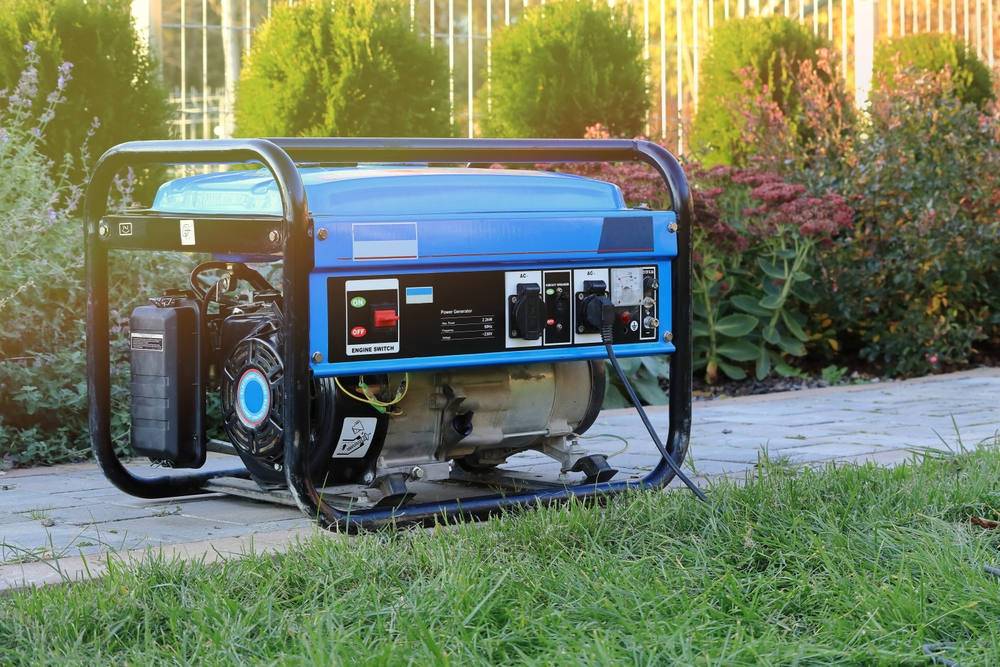
Installation isn’t just bolting a unit to concrete; you’ve got to think about flood‑proofing, grounding and ventilation, and proper installation ensures that generators operate safely under coastal conditions. In the Mooloolaba industrial park many firms put generators on raised platforms to keep water out when the rains hit. And Queensland’s Building and Construction Commission says a licensed electrician must sign off on the main switchboard link.
- Setback distance: at least 3 metres from residential walls to meet noise ordinances.
- Exhaust routing: use a corrosion‑resistant pipe to prevent salt‑air damage.
- Electrical compliance: secure the installation follows for safety.
What typically happens is that a poorly installed unit can cause nuisance trips, leading to costly service calls. A professional installer will also include a battery‑backed automatic transfer switch, so the switchover is smooth.
Maintenance Contracts and Longevity of Generators
Most businesses can’t afford surprise breakdowns, so they lean on maintenance contracts. A quarterly check‑up, oil change, filter swap, load test, can push a diesel generator’s lifespan past 15 years for the whole plant and keep it running smoothly. And if you skip the winter service? Expect about a 30 % jump in emergency fixes.
- Oil analysis: detect metal particles early.
- Coolant checks: prevent overheating in summer heat.
- Battery health: replace every 3–5 years for reliable start‑up.
And don’t forget the fuel stabiliser schedule; high humidity can cause water condensation in fuel tanks, leading to microbial growth. A maintenance contract that includes fuel polishing saves you from costly engine wear.
Fuel Types, Emissions and Generators
Diesel’s still the workhorse for heavy‑duty jobs like construction sites in Maroochydore, but the environmental impact’s under fire, and selecting the appropriate fuel can greatly affect the efficiency of generators across different applications. So, Queensland’s emissions‑reduction targets are nudging firms toward LPG or natural‑gas generators, which slash CO₂ up to 20 % versus diesel. What’s your take?
- Diesel: high energy density, ideal for continuous operation.
- LPG: cleaner burn, lower noise, suitable for residential areas.
- Solar‑hybrid: combines battery storage with a small generator for off‑grid cabins.
Switching to a hybrid solar‑generator lets you power lights and low‑power gadgets for days on a single charge, and you only crank the engine when the battery’s dead. So the noise drops off, neighbours in Sunshine Beach stay happy, especially in quiet evenings.
Emerging Technologies and Future Generators
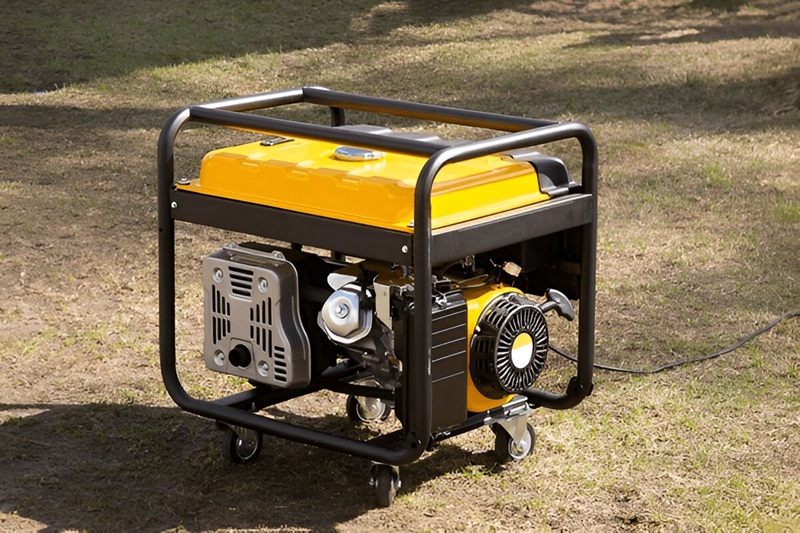
Hydrogen fuel‑cell generators are starting to appear in Queensland pilot projects, offering zero‑emission power for remote telecom towers. And while they’re still pricey, the tech’s maturing, so by 2026 more Sunshine Coast firms will be testing hydrogen blends for back‑up power.
- Fuel‑cell efficiency: up to 60 % conversion.
- Storage: on‑site hydrogen tanks require strict safety protocols.
- Integration: can be paired with existing diesel units for hybrid operation.
And don’t overlook smart‑grid‑ready generators that can communicate with the utility to provide demand‑response services. A small café could earn credits by reducing load during peak periods, turning a back‑up system into a revenue stream.
Conclusion: Generators and Business Resilience
Bottom line: skip a proper, sized and maintained generator and Sunshine Coast firms face costly cuts, busted gear, lost sales. Holiday cafés? Construction crews on the beach, both need reliable power to stay in line with local rules and keep the environment clean, and investing in robust generators helps maintain operations during unexpected outages. And you? Think about your load, pick a fuel that fits the site, then lock down a service plan. You’ll avoid downtime and save money. That’s the smartest move for long‑term resilience.