

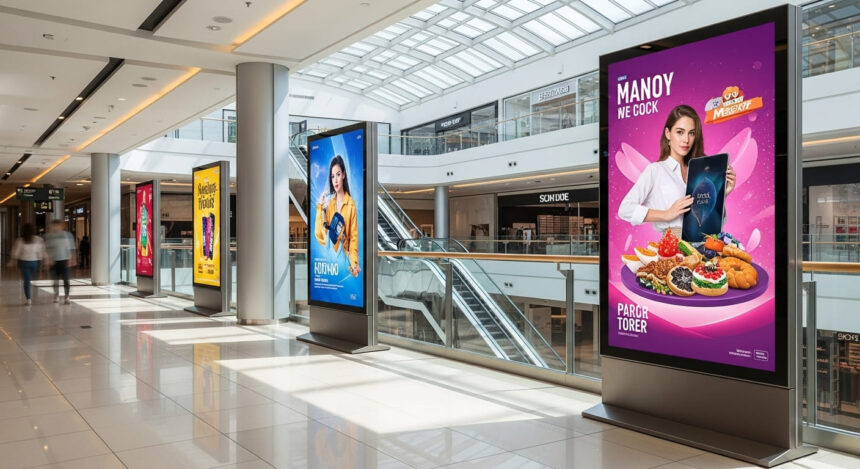
Why LED Screens Are Gaining Momentum in Australia
Across the continent, businesses are turning to LED Screens to capture attention in a crowded visual landscape. From bustling city streets in Sydney to the sunny coastal promenades of Brisbane, the ability to display bright, dynamic content 24 hours a day resonates with Australian consumers who value clear and engaging communication. The technology aligns well with local events such as the Australian Open, music festivals, and regional markets, where eye‑catching visuals can drive foot traffic and sales. As more companies adopt digital signage, LED Screens have become a cornerstone of modern marketing strategies, offering a blend of performance, flexibility, and cost‑effectiveness that traditional static signs struggle to match.
Key Advantages of LED Screens
High Visibility and Brightness
LED Screens deliver exceptional brightness, often exceeding 5,000 nits, which ensures clear visibility even under the harsh Australian sun. Whether placed on a shopfront in Melbourne’s CBD or on a roadside billboard near the Outback, the high contrast ratios keep images sharp and colours vivid. This level of visibility helps businesses stand out in busy precincts and attract the attention of passing motorists and pedestrians.
Energy Efficiency and Cost Savings
Modern LED technology uses less power than older neon or fluorescent signage, translating into lower electricity bills for Australian businesses. Many LED Screens are equipped with dimming controls that automatically adjust brightness based on ambient light, further reducing energy consumption. Over time, the savings on power and maintenance can offset the initial investment, making LED Screens a financially sensible choice for small retailers and large corporations alike.
Durability and Weather Resistance
Australia’s climate varies from tropical humidity in Darwin to the dry heat of Adelaide, and LED Screens are built to withstand these extremes. With IP65 or higher ratings, they are sealed against dust, rain, and salt‑air corrosion, which is essential for coastal installations. The robust construction means fewer repairs and a longer lifespan, providing reliable performance throughout the year.
Flexibility in Content and Design
LED Screens support a wide range of media formats, including video, animation, live data feeds, and interactive content. Businesses can quickly update promotions, display real‑time weather or traffic information, and tailor messages for local holidays such as Australia Day or regional festivals. This flexibility enables a dynamic brand presence that can be adapted on the fly, keeping audiences engaged.
Scalability for Different Business Sizes
From a single 32‑inch panel in a boutique to a massive 10 × 10 meter façade on a shopping centre, LED Screens can be scaled to match any budget or space requirement. Modular designs allow businesses to start small and expand as needs grow, making the technology accessible to startups, community organisations, and multinational chains operating across Australia.
Australian Regulations and Standards for LED Screens
When installing LED Screens, it is essential to comply with national and state regulations to avoid fines and ensure safety. The key standards include:
- AS/NZS 60825‑1: Safety requirements for laser and LED products, covering eye‑hazard and heat emission.
- Local planning permits: Most councils require a development application for outdoor signage, especially in heritage or high‑traffic zones.
- Electromagnetic compatibility (EMC): Screens must meet the Australian Communications and Media Authority (ACMA) limits to prevent interference with radio and mobile networks.
- Energy efficiency labels: Products rated under the Greenhouse and Reduction Scheme (GHRS) receive incentives and may be required for government contracts.
Understanding these requirements helps businesses avoid costly retrofits and ensures that LED Screens operate safely and legally across all Australian states and territories.
Choosing the Right Provider in Australia
Selecting a local supplier who understands Australian conditions and regulations can make the difference between a smooth rollout and a project delay. When evaluating providers, consider the following factors:
- Experience with local compliance and permit processes.
- Availability of on‑site support and maintenance teams in each state.
- Portfolio of installations in similar industries or environments.
- Transparent pricing that includes installation, warranty, and after‑sales service.
- Capability to integrate with existing point‑of‑sale or digital marketing platforms.
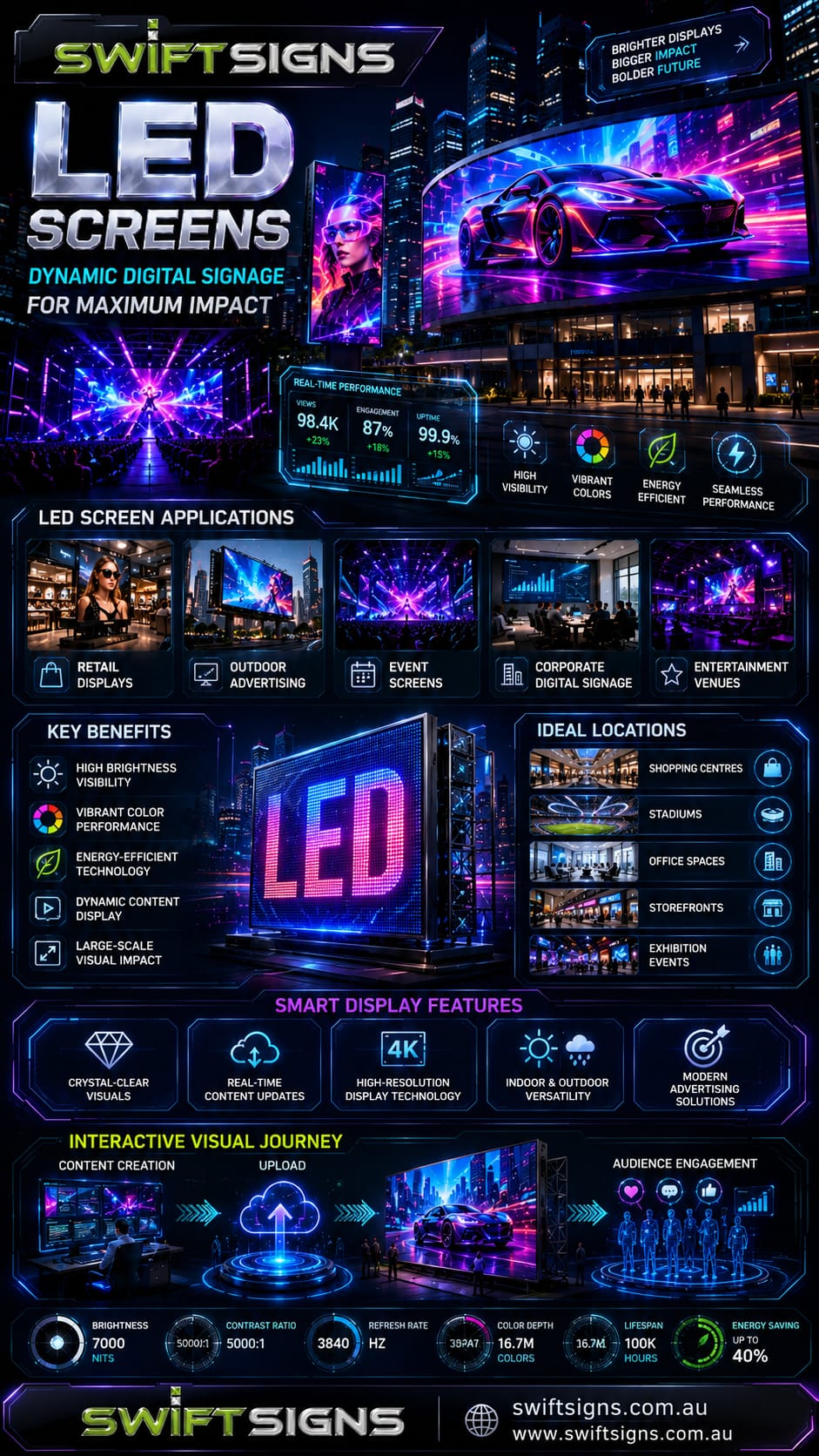
Case Studies: LED Screens in Australian Settings
Retail Stores in Sydney
A fashion boutique on Oxford Street installed a 4 × 2 meter LED Screen to showcase weekly collections. The screen’s high brightness ensured visibility during daylight, while the dynamic video loops attracted tourists and locals alike. Within three months, foot traffic increased by 22 %, and sales of featured items rose by 15 % compared to the previous quarter.
Hospitality Venues in Melbourne
A popular café in Fitzroy added a compact LED Screen above its outdoor seating area to display daily specials and live social media feeds. The screen’s weather‑proof design handled Melbourne’s occasional rain and strong winds without issue. Customers reported a more engaging experience, and the venue saw a 10 % boost in repeat visits during the summer season.
Outdoor Advertising in Perth
An outdoor advertising agency in Perth deployed a series of large‑format LED Screens along the Kwinana Freeway. The screens were programmed to adjust brightness based on ambient light, reducing power consumption during night hours. The campaign generated a 30 % increase in brand recall for the advertised product, demonstrating the impact of high‑visibility digital signage on commuters.
Installation and Maintenance Tips for Australian Conditions
Proper installation and ongoing care are vital to keep LED Screens performing at their best in Australia’s diverse climate. Follow these best practices:
- Use corrosion‑resistant mounting hardware in coastal areas to prevent rust.
- Schedule regular cleaning to remove dust and sand, especially in desert regions.
- Implement temperature monitoring to avoid overheating during extreme summer days.
- Engage a local service partner for quarterly inspections and firmware updates.
- Ensure all cabling complies with Australian wiring standards (AS/NZS 3000).
Questions and Answers: Common Questions About LED Screens in Australia
What are the energy consumption differences between LED Screens and traditional signage?
LED Screens typically use 40‑60 % less power than neon or fluorescent signs of the same size. Their ability to dim or turn off sections of the display when not needed further reduces electricity usage, making them a greener choice for Australian businesses looking to lower operating costs.
Do I need a special permit to install an LED Screen on a storefront in Australia?
Yes, most local councils require a development application for outdoor signage, especially if the screen exceeds a certain size or is placed in a heritage precinct. The application process varies by state, so it’s important to consult the relevant council’s planning department early in the project.
How do LED Screens perform in extreme weather conditions like heat waves or heavy rain?
LED Screens are built with high IP ratings (typically IP65 or higher) that protect against dust and water ingress. They also feature temperature‑controlled drivers that prevent overheating. In hot inland regions, installing shade structures or using screens with built‑in cooling fans can further enhance reliability.
Can LED Screens be integrated with existing point‑of‑sale or digital marketing systems?
Most modern LED Screens support common networking protocols and can be linked to POS systems, social media feeds, and cloud‑based content management platforms. This integration enables real‑time promotions, inventory updates, and targeted messaging that resonate with Australian shoppers.
What maintenance schedule is recommended for LED Screens in Australia?
A quarterly inspection is advisable, covering visual checks for pixel failures, cleaning of the display surface, and verification of mounting hardware. Annual servicing should include firmware updates and testing of weather‑seal integrity, ensuring the screen remains compliant with local standards.
Conclusion: Your Path to a Successful LED Screens in Australia
LED Screens offer Australian businesses a powerful blend of visibility, energy efficiency, durability, and creative flexibility. By understanding local regulations, choosing a knowledgeable provider, and following best‑practice installation and maintenance routines, you can unlock the full potential of digital signage. Whether you operate a boutique in Brisbane, a café in Adelaide, or a large outdoor billboard in Perth, LED Screens can elevate your brand, attract more customers and deliver measurable returns. Take the next step by assessing your signage goals, consulting with a certified Australian supplier, and planning a rollout that aligns with both your budget and the unique demands of the Australian market.