

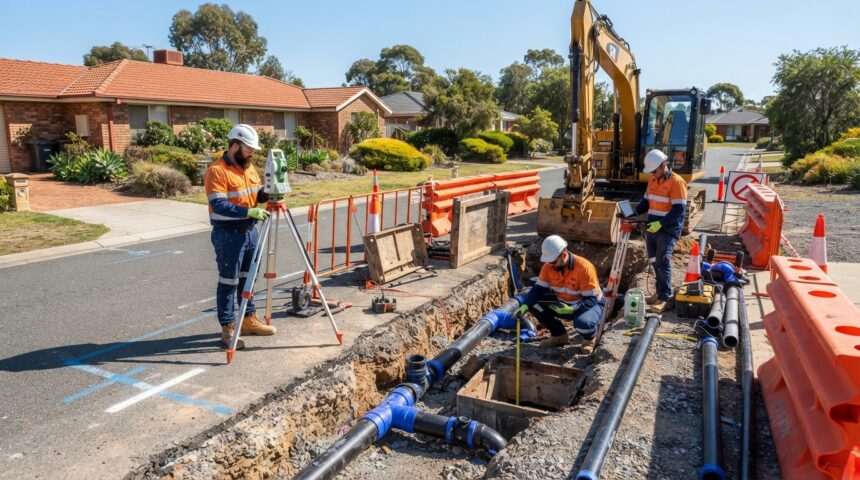
Construction plumbing is a core part of any building project, from a modest family home in Brisbane to a high-rise office tower in Sydney. When done correctly, it supports water supply, waste removal, fire safety, and energy efficiency. In Australia, the climate, water-saving regulations, and local building codes make a well-planned plumbing system essential for both comfort and compliance. This guide walks you through the most important aspects of construction plumbing, highlights Australian-specific considerations, and shows how professional plumbing can boost overall building performance.
Key Components of Quality Construction Plumbing
Water Supply and Distribution
A reliable water supply system must maintain consistent pressure, prevent contamination, and comply with local water authority requirements. In Australia, many states mandate the use of back-flow preventers and pressure-reducing valves to protect the public water network. Selecting the right pipe material—copper, PEX, or PVC—depends on climate, water quality, and project budget.
Drainage and Waste Management
Effective drainage removes wastewater quickly and prevents foul odours. Australian codes require separate stormwater and sanitary systems in most new builds. Proper slope, venting, and trap design are essential to avoid blockages and maintain compliance with the Plumbing Code of Australia (PCA).
Fire-Suppression and Sprinkler Systems
Fire safety is a legal requirement for many commercial and high-rise residential buildings. Construction plumbing includes the installation of sprinkler piping, fire-hydrant connections, and fire-hose reels. These systems must meet the Australian Standard AS 2118 and be tested by a licensed fire-protection contractor.
Hot-Water and Energy-Saving Solutions
Solar hot-water panels, heat-pump water heaters, and on-demand tankless systems are increasingly popular in Australia’s sunny climate. Proper integration with the building’s plumbing and electrical systems can reduce hot-water energy use by up to 40 % while meeting the National Australian Built Environment Rating System (NABERS) targets.
Australian Regulations and Standards
Construction plumbing in Australia is governed by a combination of national and state regulations. The primary reference is the Plumbing Code of Australia (PCA), which is part of the National Construction Code (NCC). Each state may add specific requirements:
- New South Wales (NSW)– Requires water-efficient fixtures and a minimum 10 % water-saving rate for new residential dwellings.
- Victoria (VIC)– Enforces the Water Efficiency Labelling and Standards (WELS) scheme for all plumbing products.
- Queensland (QLD)– Mandates rain-water tank installation for new homes in designated water-sensitive zones.
- Western Australia (WA)– Requires dual-water systems in some regional areas to separate potable and recycled water.
Compliance checks are performed by local councils and private certifiers. Failure to meet these standards can result in costly remediation, delayed occupancy certificates, and fines.
Selecting a Local Plumbing Contractor
Choosing the right contractor is crucial for successful construction plumbing. Look for the following criteria:
- Licensed under the relevant state plumbing authority (e.g., NSW Fair Trading, Victorian Building Authority).
- Experience with the specific building type—residential, commercial, or industrial.
- Proven track record of meeting NCC and PCA requirements.
- Ability to coordinate with architects, engineers, and other trades.
- Positive client reviews and a clear warranty policy.
Local providers often understand regional water-saving incentives, such as the Queensland Water Efficiency Grant, and can recommend the best fixtures to qualify for rebates.
Common Materials and Technologies
Australian construction plumbing uses a mix of traditional and modern materials. Below is a quick guide to the most common options:
- Copper– Durable, resistant to corrosion, but more expensive.
- PEX (cross-linked polyethylene)– Flexible, easy to install, and well-suited for hot-water recirculation.
- PVC and CPVC– Lightweight, cost-effective for drainage and cold water.
- HDPE (high-density polyethylene)– Used for underground stormwater and irrigation.
- Stainless steel– Preferred for high-pressure fire-suppression lines.
Emerging technologies such as smart leak detectors, IoT-enabled flow meters, and pressure-sensing valves are gaining traction in Australian smart-home projects. These devices can alert owners to leaks early, saving water and preventing damage.
Impact on Energy Efficiency and Sustainability
Construction plumbing directly influences a building’s energy profile. Properly sized pipe runs reduce friction loss, meaning pumps use less electricity. Integrating rain-water harvesting and grey-water recycling cuts demand on municipal supplies and aligns with Australia’s water-conservation goals. When combined with solar hot-water systems, the overall carbon footprint of a building can be significantly lowered, helping developers achieve Green Star or NABERS certifications.
Maintenance and Long-Term Performance
Even the best-designed plumbing system needs regular upkeep. In Australia’s varied climates, common maintenance tasks include:
- Inspecting and cleaning roof gutters to prevent stormwater overflow.
- Testing back-flow preventers annually as required by local water authorities.
- Checking pressure-reducing valves for wear, especially in high-rise buildings.
- Flushing hot-water tanks to remove sediment that can reduce efficiency.
- Monitoring smart sensors for early leak detection.
A maintenance contract with a qualified plumbing service can extend the life of the system and keep insurance premiums lower.

Questions and Answers: Common Questions About Construction Plumbing in Australia
Q: What are the essential licences a construction plumber must hold in NSW?
A: In New South Wales, a plumber must hold a Contractor’s Licence issued by NSW Fair Trading and be registered with the Plumbing Industry Board. The licence confirms the plumber can carry out both residential and commercial work, and it requires ongoing professional development to stay current with the NCC and PCA updates.
Q: How does rain-water harvesting affect construction plumbing design?
A: Rain-water harvesting adds a separate storage tank and a network of pipes that deliver water to toilets, irrigation, and sometimes laundry. The plumbing design must include back-flow preventers to keep potable water safe, and the system must be sized according to local rainfall data and building occupancy. In Queensland, many councils require a minimum tank capacity for new homes in water-sensitive zones.
Conclusion: Your Path to a Successful Construction Plumbing in Australia
Professional construction plumbing is the backbone of any high-performing building in Australia. By understanding local regulations, selecting the right materials, and partnering with licensed contractors, you can create systems that are safe, efficient, and future-ready. Remember to integrate water-saving technologies, plan for regular maintenance, and stay informed about emerging trends such as smart-water monitoring. Taking these steps will not only keep your project compliant with the NCC and state codes but also enhance occupant comfort and reduce operating costs. Start today by reviewing your design plans, consulting a qualified plumbing professional, and exploring available government rebates—your building’s performance depends on it.