

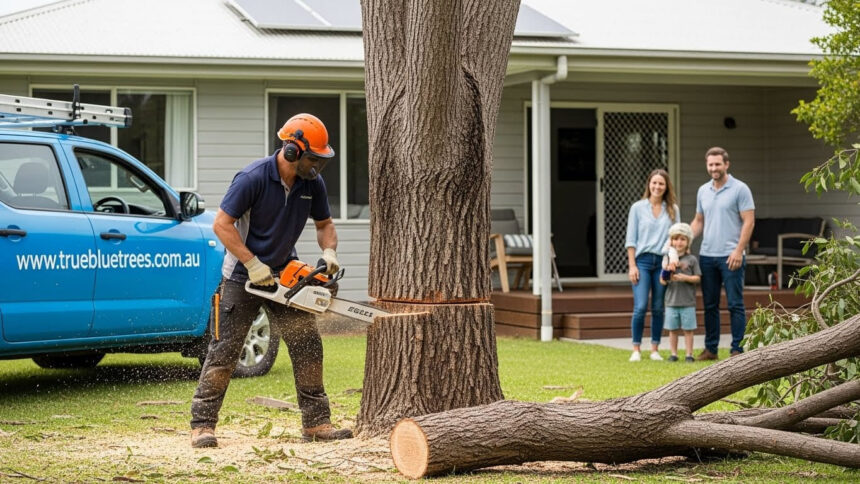
When a tree in Melbourne starts pushing its roots into driveways, garden beds, or under your home, the first thing you hear is “tree root removal”. From what I’ve seen, the problem isn’t just an eyesore – it can damage foundations, block drainage, and ruin a perfectly good lawn. In this guide we’ll walk through the options that locals actually use, the safety steps you can’t skip, and how a pro can save you a heap of hassle.
Why Tree Root Removal Matters in Melbourne
Melbourne’s climate swings from hot summer spells to wet winter rains, & that mix encourages aggressive root growth. Eucalyptus, Jacaranda, and even the occasional Melaleuca will send roots deep to chase water. The thing is, those roots often end up under concrete slabs, near gas lines, or right beside your garden’s irrigation system.
What typically happens is that a homeowner notices a raised slab or a clogged stormwater pipe, then discovers the culprit is a hidden root network. Ah, in my experience, the longer you wait, the more extensive the damage – & the more invasive the removal has to be.
- Root pressure can lift pathways and driveways.
- Roots near sewer lines cause blockages and costly repairs.
- Excessive root spread reduces soil stability for new plantings.
Common Root Removal Methods
There are three main ways Melbournians tackle stubborn roots: manual digging stump grinding, & hydro-excavation. Each method has its own set of pros and cons, & the right choice depends on the size of the root its location and how much disturbance you’re willing to accept.
Manual Digging
Manual digging is the old-school approach – you grab a spade, locate the root, and cut it out. Look, it works best for shallow, isolated roots, especially in garden beds where you can see the root system.
- Low equipment cost.
- Full control over which roots you remove.
- Can damage surrounding plants if you’re not careful.
Stump Grinding
Stump grinding uses a rotating carbide-tipped wheel to pulverise the remaining trunk and the surrounding roots into wood chips. Melbourne stump grinding specialists often pair this with a clean-up crew that handles the wood-chip disposal for you.
- Fast for medium-size roots.
- Leaves a uniform, level surface.
- Creates wood-chip residue that can be mulched.
Hydro-Excavation
Hydro-excavation sprays pressurised water to loosen soil, then vacuums it away, exposing roots without the shock of heavy machinery. You know? It’s the go-to for roots near utilities or in tight urban sites.
- Minimal ground disturbance.
- Excellent for locating hidden roots with a ground-penetrating radar (GPR) probe.
- Higher equipment cost and requires a licensed operator.
DIY vs Professional Tree Root Removal
Homeowners often wonder whether they can tackle tree root removal themselves or if they should call a Melbourne tree root removal specialist. The answer hinges on safety, equipment, and local regulations.
Here’s a quick side-by-side look at the two paths.
| Aspect | DIY | Professional |
| Equipment | Shovel, hand saw, basic grinder. | Hydro-excavation rig, industrial grinder, GPR. |
| Safety | Basic PPE – gloves goggles. | Work Health and Safety (WHS) licence, certified arborist, utility locating services. |
| Soil Impact | Higher risk of soil compaction. | Targeted removal, less disruption. |
| Time | Days for a medium job. | Hours to a full day. |
| Regulatory Compliance | May miss council permit requirements. | Licensed arborist ensures VAA and council compliance. |
If you’re dealing with a root that’s under a concrete slab or near a gas line, the professional route is the safer bet. A licensed arborist with a Certificate III in Arboriculture, registered with the Victorian Arborist Association (VAA), will also handle tree root disposal Melbourne in line with local waste guidelines.
Step-by-Step Guide to Safe Tree Root Removal
Whether you go the DIY route or supervise a crew, follow these steps to keep the job safe and effective.
- Locate the root: Use a probing rod or a handheld GPR device to map the root’s path.
- Mark utility lines: Call 13 11 26 to have underground services identified before you dig.
- Set up PPE: Gloves, safety boots, eye protection, and a dust mask are a must.
- Cut the root: For larger roots, use a reciprocating saw; for smaller ones, a pruning saw works.
- Remove the root: Dig around the cut section, lift it out, and clear the trench.
- Dispose responsibly: Take the wood to a recycling centre or have a Melbourne stump grinding service handle the chips.
- Restore the soil: Add compost, level the area, and reseed if needed.
The thing is, if you hit a hard, woody root that won’t budge, stop and call a professional — Forcing the cut can damage nearby pipes & create a safety hazard.
Managing Soil and Landscape After Removal
After the roots are gone, the soil can be compacted & low on nutrients. Melbourne’s clay-loam mix benefits from a little amendment before you re-plant.
- Spread a layer of coarse sand to improve drainage.
- Mix in organic compost – it helps break down any remaining root fragments.
- Consider a root barrier if you plan to plant a new tree nearby.
Root barriers, usually made of high-density polyethylene, should be installed at least 60 cm deep and extend 30 cm beyond the projected crown — This keeps future roots from re-invading the cleared zone.
Case Study: Turning a Backyard Nightmare into a Usable Space
In the suburb of Camberwell, a homeowner discovered a raised concrete patio caused by an aggressive eucalyptus root system. The root network had also blocked a stormwater drain, leading to periodic flooding after heavy rain.
What we did was start with a hydro-excavation scan to pinpoint the exact root locations without damaging the patio. A licensed arborist from a local Melbourne tree root removal company then used a hydro-excavation rig to expose the roots, followed by targeted stump grinding to remove the offending sections. The wood chips were collected and recycled into mulch for a new garden bed.
After the removal, the soil was amended with compost & a root barrier was installed before a new ornamental tree was planted. Within a month, the patio was level again, the drainage issue was solved, and the garden looked refreshed — The homeowner now enjoys a dry, flat outdoor area and a healthier landscape.
Frequently Asked Questions
- Will grinding affect my garden beds? The grinding process creates wood chips that can be mulched back into beds but you should protect delicate plants with a tarp during the operation.
- Do I need a council permit for tree root removal? For most residential jobs in Melbourne, a permit isn’t required unless the tree is protected under a heritage listing or the work impacts a public right-of-way — A licensed arborist will check this for you.
- How deep should I dig to remove a root? Aim to expose at least 30 cm of the root’s diameter. Deeper roots often require hydro-excavation to avoid damaging underground services.
- Can I use chemicals to kill remaining roots? Yes, a targeted application of glyphosate or triclopyr can help, but always follow the label instructions and wear protective gloves.
- What’s the best way to prevent future root problems? Plant trees at least 3 m from structures use root barriers, & schedule regular inspections with a certified arborist.
Bottom Line
Tree root removal in Melbourne isn’t just about pulling a stubborn root out of the ground – it’s about doing it safely respecting the local climate and keeping your property and utilities intact. Whether you choose a DIY spade or call a professional with a WHS licence and VAA accreditation make sure the job is done right the first time.
Ready to get started? Look for a Melbourne tree root removal specialist who is a licensed arborist, holds a Certificate III in Arboriculture, and is a member of the Victorian Arborist Association. That way you’ll have the expertise, the right equipment, and the peace of mind that the job complies with local regulations.



