

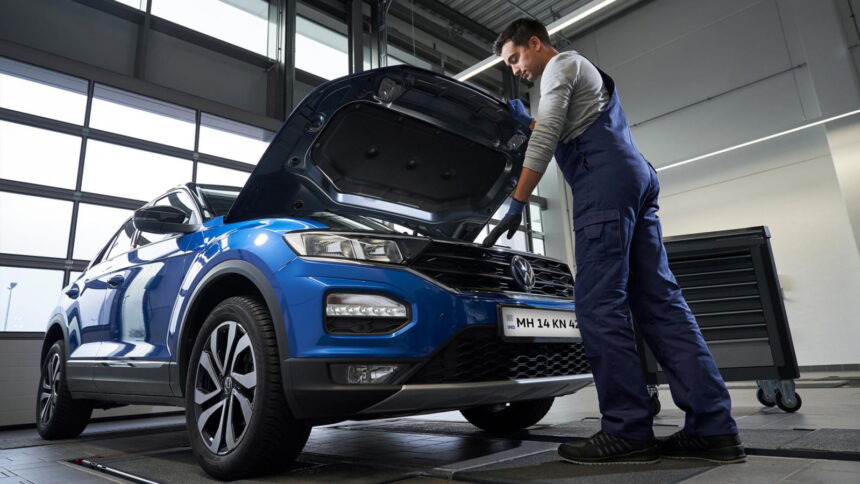
Ever wondered why your Volkswagen seems to run like a dream one month and feels a bit sluggish the next? Are you questioning whether that service reminder on your dashboard is genuinely urgent or just another way for mechanics to take your money? And have you ever thought about what actually happens during a Volkswagen service?
You’re not alone. Thousands of Volkswagen owners across Australia face these same questions every year. The truth is, proper servicing isn’t just about keeping your warranty intact—it’s about protecting your investment and ensuring your safety on the road. Whether you’re driving a Golf, Tiguan, Polo, or any other model in the VW family, understanding your service requirements can save you serious money and headaches down the track.
In this guide, we’ll walk you through everything you need to know about Volkswagen servicing. From understanding service schedules and common maintenance requirements to finding reliable Volkswagen service specialists, we’ve got you covered. Plus, we’ll explore costs, warning signs to watch for, and how to prepare for your next appointment. Let’s get stuck into it.
Understanding Your Volkswagen Service Schedule
Standard Service Intervals For Volkswagen Vehicles
Most modern Volkswagen vehicles follow a 15,000-kilometre or 12-month service interval—whichever comes first. This schedule applies to the majority of petrol and diesel models manufactured in recent years. However, older models or those with specific engine types might require more frequent attention.
It’s worth noting that Volkswagen uses a flexible service system in many of their newer vehicles. This clever technology monitors your driving habits, engine conditions, and oil quality to determine when servicing is actually needed. So rather than sticking to a rigid schedule, your car tells you when it needs some TLC.
What Does A Volkswagen Logbook Service Include?
A standard logbook service covers all the essentials your Volkswagen needs to stay in top shape. This typically includes an oil and filter change, fluid level checks and top-ups, brake inspection, tyre rotation and pressure check, plus a thorough examination of belts, hoses, and other wear items.
Your service technician will also run diagnostic scans to check for any error codes stored in the vehicle’s computer. They’ll inspect suspension components, test battery health, and examine lights and wipers. Everything gets recorded in your logbook, maintaining that all-important service history.
How Often Should You Service Your Volkswagen?
The simple answer? Follow your manufacturer’s recommendations. For most VW owners, this means an annual service or every 15,000 kilometres. But here’s the thing—if you do lots of short trips, drive in dusty conditions, or regularly tow heavy loads, you might need to service more frequently.
Think of servicing like a health check-up. You wouldn’t skip your annual doctor’s visit just because you feel fine, right? The same logic applies to your Volkswagen.
Common Volkswagen Service Requirements
Oil Changes And Fluid Checks
Oil is the lifeblood of your engine, and Volkswagens are particularly fussy about the type they use. VW-approved oils meet specific standards (look for VW 504.00 or 507.00 specifications) that protect your engine’s delicate components.
During each service, technicians will also check:
- Coolant levels and condition
- Brake fluid (which absorbs moisture over time)
- Power steering fluid
- Windscreen washer fluid
- Transmission fluid (where applicable)
Keeping these fluids fresh and at proper levels prevents premature wear and costly repairs.
Brake Inspections And Maintenance
Your brakes work incredibly hard, especially in stop-start city traffic. A comprehensive service includes measuring brake pad thickness, inspecting rotors for wear or damage, and checking brake lines for leaks or corrosion.
Volkswagens are known for their solid braking performance, but this only remains true with proper maintenance. Worn brake pads don’t just compromise your safety—they can damage rotors and dramatically increase repair costs.
Timing Belt And Engine Component Services
The timing belt is one of those components you absolutely cannot ignore. Most Volkswagen models require a timing belt replacement every 100,000 to 150,000 kilometres, depending on the engine. Miss this service, and you’re risking catastrophic engine failure.
Beyond the timing belt, technicians will examine spark plugs, air filters, and fuel filters at various intervals. These components directly affect your engine’s performance and fuel efficiency.
Electrical System And Battery Health
Modern Volkswagens are packed with sophisticated electronics, making electrical system health more important than ever. Battery testing during services helps identify potential failures before they leave you stranded.
Technicians also check alternator output, inspect wiring for damage, and verify that all electronic systems are communicating correctly. A healthy electrical system keeps everything from your infotainment to your safety features working flawlessly.
Why Choose A Specialist Volkswagen Service?
Benefits Of Local Expertise
Finding quality Volkswagen service specialists offers several advantages. Local mechanics understand the specific challenges of driving in Sydney’s inner south—from coastal salt air to stop-start traffic conditions that put extra strain on vehicles.
A nearby service centre also means convenience. You can drop your car off in the morning, grab a coffee locally, and pick it up later without disrupting your entire day. Building a relationship with local specialists means they get to know your vehicle’s history and can spot potential issues early.
What To Look For In A Volkswagen Service Centre
Not all service centres are created equal. When choosing a Volkswagen service provider, look for:
- Technicians with VW-specific training and experience
- Access to genuine or quality aftermarket parts
- Modern diagnostic equipment compatible with VW systems
- Transparent pricing and clear communication
- Positive reviews from other Volkswagen owners
Don’t be afraid to ask questions about their experience with your specific model. A quality service centre will welcome your enquiries.
Can Independent Mechanics Service My Volkswagen Without Voiding the Warranty?
Absolutely! Australian Consumer Law protects your right to choose where you service your vehicle. As long as services are performed according to manufacturer specifications using appropriate parts and fluids, your warranty remains intact.
This means you can enjoy the personalised service and often lower prices of independent specialists without risking your warranty coverage. Just make sure all services are properly documented in your logbook.
Is Volkswagen Expensive To Service Compared To Other Brands?
Volkswagens sit in the mid-range for European vehicle servicing costs. They’re generally more expensive to maintain than mainstream Japanese or Korean brands but cheaper than premium German competitors like BMW or Mercedes-Benz.
The key to managing costs is staying on top of scheduled maintenance. Skipping services to save money now almost always leads to bigger bills later.
How to Maintain Your Volkswagen Between Services
Keep your Volkswagen happy between services by checking tyre pressures monthly, monitoring fluid levels, and addressing unusual symptoms promptly. Regular washing protects paintwork, while keeping the interior clean maintains your vehicle’s value.
Keeping Your Volkswagen Running at Its Best
Proper servicing is the foundation of Volkswagen ownership. From understanding service schedules to recognising warning signs, knowledge empowers you to make informed decisions about your vehicle’s care.
Finding a trusted Volkswagen service specialist makes maintaining your car straightforward and stress-free. Whether you choose a dealership or independent mechanic, the important thing is staying consistent with maintenance.
Your Volkswagen was engineered to deliver years of reliable performance. With proper care and attention, it will do exactly that. So don’t put off that service reminder—your future self (and your wallet) will thank you for it.