

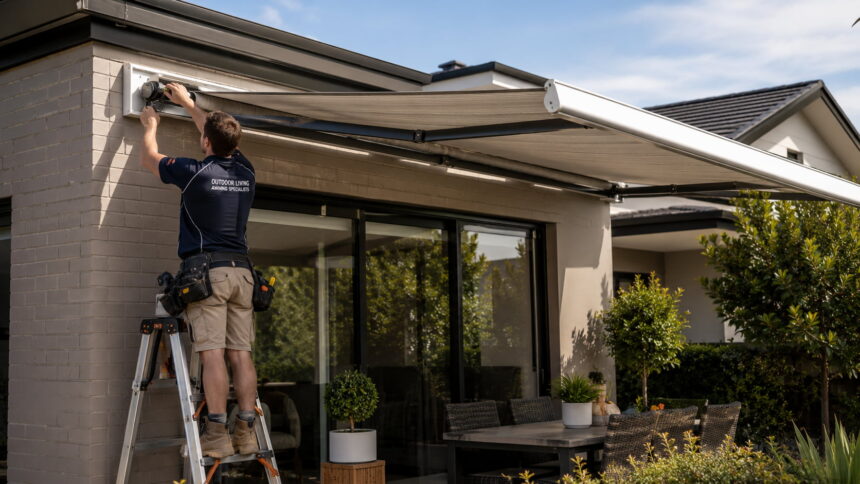
A garden awning can make an exposed patio more comfortable, practical, and attractive. Before installation, you should consider size, position, fabric, weather exposure, controls, and maintenance. Careful planning helps you choose an awning that complements your property, provides reliable shade, and supports enjoyable outdoor living throughout the warmer months.
Introduction
Installing garden awnings can make a patio more comfortable by providing shade and shelter. However, the right choice depends on wall space, sunlight, weather exposure, fabric, controls, and installation. Planning these factors early helps you avoid mistakes and choose an awning that suits your property, lifestyle, and budget.
Decide How You Will Use the Awning
Begin by deciding what you want the awning to achieve. You may need shade for outdoor dining, protection from direct sunlight, or a comfortable place to relax. Consider when the patio is used and how much furniture needs coverage. The awning should provide enough shade without blocking doors, windows, or garden walkways. Your intended use will influence its width, projection, fabric, and operating system. Planning these details early makes it easier to choose a practical design.
Assess the Direction of Sunlight
The direction your patio faces affects how much sunlight it receives. South-facing areas may remain bright for most of the day, while west-facing spaces often receive strong afternoon sun. Observe the patio at different times before deciding where the awning should be installed. This will help you understand when shade is most needed. The position and angle should provide effective coverage without making nearby rooms too dark. It should also allow enough headroom when fully extended.
Measure the Available Space
Accurate measurements are essential before choosing an awning. Check the available wall width, mounting height, and required projection over the patio. You should also note the position of doors, windows, lights, vents, and drainpipes. These features may affect where brackets and mechanisms can be installed. A bespoke awning can be measured and fitted to suit the property precisely. This usually provides better coverage than relying on a standard size.
Check the Supporting Wall
An awning places weight and movement on the wall, so the supporting surface must be strong enough. Brickwork, render, stone, and other materials may require different fixing methods. A professional survey can identify whether the wall is suitable. It also helps determine the safest mounting position and appropriate fittings. Poor installation can damage the wall or affect the awning’s stability. Professional fitting therefore plays an important role in long-term safety and performance.
Consider Wind and Weather Exposure
Weather exposure should influence the type of awning you choose. Open gardens, coastal areas, and elevated properties may experience stronger winds. Retractable awnings provide useful flexibility because they can be closed during unsuitable weather. Wind and rain sensors may also help protect the system by triggering automatic retraction. However, an awning should not be treated as a permanent roof. It should usually be retracted during strong winds, heavy rain, snow, or severe weather.
Choose a Suitable Style
The awning should complement the property rather than appear out of place. Frame colour, cassette shape, fabric pattern, and overall size all affect the final appearance. Consider how the awning will look when both open and closed. A full cassette can provide a neat finish while protecting the fabric and mechanism. The chosen style should work with the home’s windows, doors, exterior materials, and architectural character. A balanced design can improve the overall appearance of the patio.
Select the Right Fabric
Awning fabric should provide effective shade while remaining attractive. It should also resist fading, outdoor dirt, and regular exposure to changing weather. When comparing garden awnings, ask about fabric quality, UV protection, colour stability, and cleaning requirements. These details affect comfort and long-term appearance. Light colours can help the covered area feel bright and open. Darker colours may reduce glare more strongly but can make the space feel less airy.
Compare Manual and Motorised Operation
Manual awnings are opened with a winding handle. They are straightforward to use and may suit smaller installations or homeowners seeking a lower-cost option. Motorised awnings open and close at the press of a button. They are convenient for larger systems and properties where the awning will be used frequently. Remote controls, weather sensors, lighting, and heating may be available as optional features. These additions should be planned before installation, especially when electrical work is required.
Think About Lighting and Heating
Integrated lighting can extend the use of a covered patio into the evening. LED systems offer practical illumination without taking up additional space. Infrared heating may also improve comfort during cooler evenings. It can make the outdoor area more usable beyond the warmest part of summer. These features add to the overall cost, so consider whether they suit your lifestyle. They should improve everyday use rather than simply add unnecessary complexity.
Check Planning Requirements
Planning rules may depend on the property type, location, and awning design. Listed buildings, conservation areas, flats, and leasehold properties may face additional restrictions. You should contact the local planning authority when there is any uncertainty. It is better to check before ordering than to deal with problems after installation. Leaseholders may also need permission from the freeholder or managing agent. Reviewing these requirements early can prevent delays and unexpected costs.
Choose Professional Installation
Professional installation helps ensure the awning is securely mounted, correctly aligned, and tested before use. It also reduces the risk of damage caused by unsuitable fixings. Ask whether the installation includes electrical connections, operating adjustments, testing, and basic maintenance advice. These details should be clear before accepting a quotation. It is also worth checking the warranty and aftercare support. Reliable assistance can be valuable if the system later requires adjustment, repair, or servicing.
Plan for Ongoing Maintenance
Regular maintenance helps preserve the fabric, frame, and operating mechanism. Dirt should be removed with clean water, a soft cloth, and mild detergent. Avoid abrasive tools and harsh chemicals because they may damage the surface or protective fabric treatment. Allow the canopy to dry before leaving it closed for long periods. Keep leaves and debris away from the mechanism. The awning should also be retracted during unsuitable weather to reduce strain on its arms and fixings.
Consider the Full Cost
The final cost may include the awning, professional fitting, electrical work, controls, sensors, lighting, and heating. These elements should be included when setting your budget. Compare complete quotations rather than focusing only on the initial product price. A lower-cost awning may not include installation, warranties, or future support. Material quality, reliable components, and professional aftercare often provide better long-term value. The cheapest option may become more expensive if repairs are required later.
Wrapping Up
A garden awning can improve the comfort, appearance, and usability of your patio. Before buying, consider the available space, wall condition, sunlight, weather exposure, fabric, controls, maintenance, and total cost. Professional fitting, suitable materials, and reliable aftercare can improve long-term performance. Optional features such as lighting, heating, and weather sensors should match your needs rather than add unnecessary expense. Well-planned garden awnings can provide dependable shade and make outdoor areas more enjoyable throughout the warmer months.