


Are you a landlord, maybe you’re thinking about what safety checks your rental place really needs? And perhaps you’re like, totally over it already, with all those different rules across Australian states, each one doing its own little thing. Or you could just be trying to figure out how to keep your tenants safe, while staying on the proper side of the law, not just hoping for the best.
You’re not the only one. Rental property safety checks can feel like that confusing maze, deadlines, forms, the whole thing. From electrical and gas safety checks, all the way to smoke alarm compliance, there’s a lot to get your head around. The upside? Once you know the basics, staying compliant gets way less messy.
In this guide, we’ll take you through everything about smoke alarm, gas, and electrical safety checks for rental properties. We’ll cover what you legally must do, what each inspection includes, and some practical ways to streamline your compliance checks. Whether you’re new-Ish to being a landlord or you’ve been investing for years, you should come away with useful steps to help protect both your tenants and your investment.
Understanding Your Legal Obligations as a Landlord
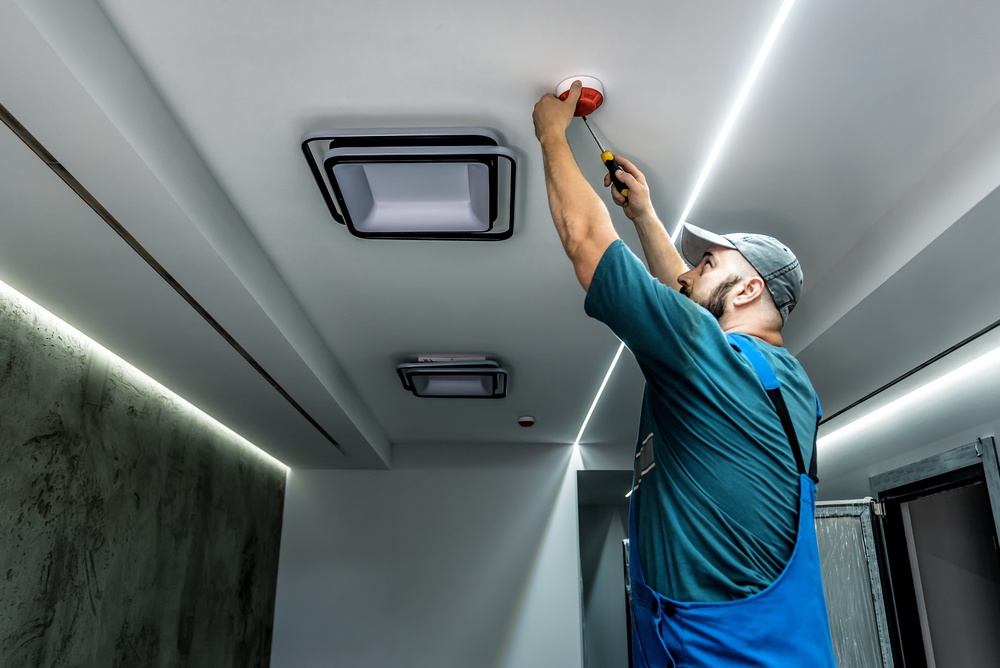
If you rent out a property in Australia, you generally have a legal responsibility to make sure it’s safe for tenants. This isn’t merely “nice to have”, it’s the law. The exact rental safety inspection requirements can shift a bit between states, but the main idea is consistent: you must provide a safe place to live.
In Victoria, electrical safety checks have very specific landlord obligations. The state brought in mandatory electrical safety checks for rental properties, so your place needs to be inspected by a licensed electrician every two years. These electrical safety checks Victoria rules are among the stricter ones in the country, so yeah, you’ll want to keep up.
Gas safety check landlord responsibilities are just as serious. If your property uses gas appliances, you’ll be dealing with regular inspections and checks to make sure everything runs safely and properly. Then there’s smoke alarm compliance, with clear rules about what alarms must be installed, where they go, and how they’re kept. Missing these requirements can lead to heavy penalties, so it’s worth breaking down what’s involved.
What Does a Gas Safety Check Involve?
A rental gas safety check is basically a full inspection of every gas appliance and fitting in the home. This can include heaters, cooktops, hot water systems, and any connected gas pipework. The inspector looks for gas leaks, checks ventilation, confirms correct pressure, and assesses the general safety of the appliances.
How Often Do Landlords Need a Gas Safety Check?
Most states require gas safety inspections every two years, although certain situations might mean you need them more often. If you fit new gas appliances, or you change anything significant in the gas system, you’ll need a new inspection as well. Keep a reminder, because it’s easy to forget until it suddenly isn’t optional anymore.
Only licensed gasfitters can do a gas safety check. They’ll issue paperwork that shows your property meets the required safety standards. If anything doesn’t pass, you’ll need repairs or replacements before tenants are meant to use the appliances. Don’t treat this like a checkbox exercise, because faulty gas appliances really can be deadly.
The Rental Safety Inspection Process: What to Expect
Getting ready for gas and electricity checks usually doesn’t take a ton of effort. Just make sure the inspector can access the areas that need checking, like the switchboard and the gas meter, plus any appliances that are required. Clear away clutter, and don’t make them play “find the hidden panel” while they’re meant to be inspecting.
How Long Does a Gas and Electric Safety Check Take?
A combined gas and electric safety check is typically around one to two hours, depending on how big the property is and how many appliances there are. The inspector usually moves through each area in a step-by-step way, testing, documenting, and noting any issues as they go.
After the inspection, you’ll get documentation stating whether the property is compliant. Keep those certificates, because you might need them later for tenants, real estate agents, or even insurance. In Victoria, you must provide copies to your tenants within two days of receiving the documents.
Consequences of non-compliance
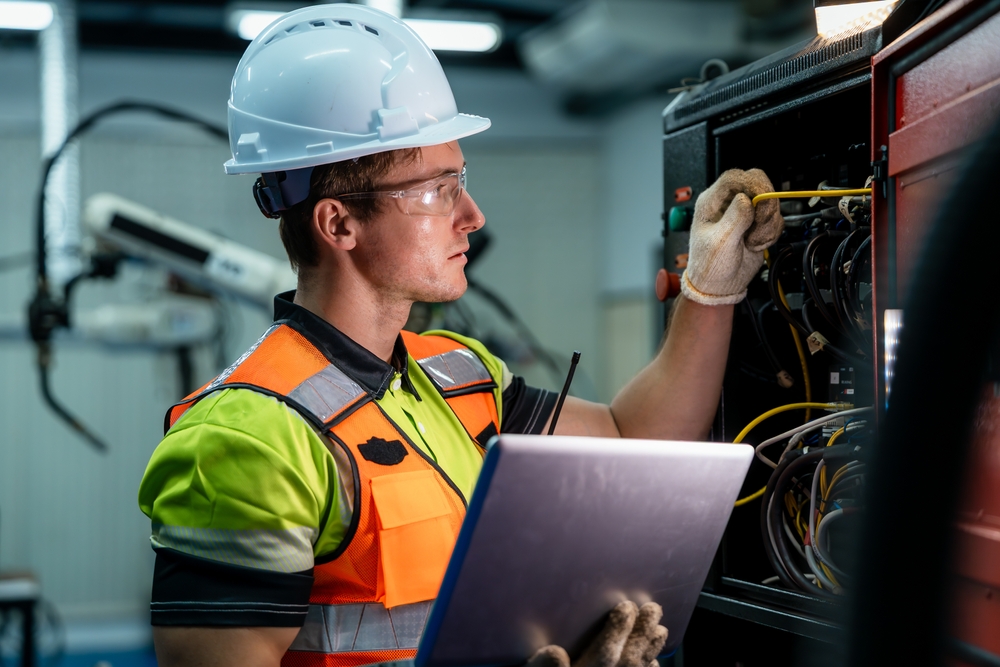
Skipping rental property safety checks is not a risk you want to take. If you fail to complete electrical and gas safety checks, penalties can include big fines, and in more serious situations, criminal charges if someone is injured.
There’s also the insurance angle. Many insurance policies require proof that safety compliance is current. If you can’t show your property met the standards, your insurer may refuse to pay if something happens. That’s the last thing you want, especially if there’s a fire, or a gas leak.
Tenants also have options if inspections aren’t done. They might ask for urgent repairs, they may be able to withhold rent, or in some cases terminate the lease early. When you build a reputation as a landlord who prioritises safety, you tend to attract better tenants—and you usually keep them longer.
Picking a Proper Provider for Your Safety Inspections
Not all inspection providers are really the same, it kind of varies a lot. For electrical work, make sure the provider has the right state license in place. For gas safe checks, confirm they are actually a registered gasfitter, not just “sort of” qualified. Also ask about their background doing rental safety inspections specifically, because tenants and properties can be different.
Staying Compliant and Keeping the Rental Safe
Handling smoke alarm gas and electrical compliance checks can feel like quite a lot at once, but it’s genuinely one of the more important parts of being a responsible landlord. These inspections help protect your tenants from serious harm, and they also reduce your legal plus financial headaches.
Big takeaway? Don’t put it off until the final minute. Set up a plan for your rental safety inspections, think about bundling your checks with one provider, and keep careful records. Whether you’re following electrical safety checks Victoria rules, or you’re working with nationwide smoke alarm standards, staying organised makes everything calmer, and smoother.
Your tenants are trusting you to deliver a safe place to live. When you take gas and electricity compliance checks seriously, you’re not only ticking boxes, but you’re also looking after people. That’s the part you should feel good about, really.