

Ever found yourself scratching your head in the auto parts aisle, wondering which driveshaft is actually right for your car? Have you noticed some strange vibrations or clunking sounds coming from underneath your vehicle lately? Or perhaps you’re building a performance rig and want to make sure every component is spot on?
Choosing the correct driveshaft might seem like a straightforward task, but it’s actually one of those decisions that can make or break your vehicle’s performance and safety. Get it wrong, and you could be looking at premature wear, annoying vibrations, or worse—a complete breakdown on the highway. Get it right, and your drivetrain will thank you with smooth, reliable power delivery for years to come.
In this guide, we’ll walk you through everything you need to know about selecting the perfect driveshaft for your vehicle. From understanding how these critical components work to measuring correctly and choosing between OEM and aftermarket options, we’ve got you covered. Whether you’re driving a 4WD through the Australian outback, running a commercial fleet, or tweaking a performance build, you’ll find practical advice to help you make an informed decision.
What Is a Driveshaft and How Does It Work?
The Basic Function of a Driveshaft
Think of your driveshaft as the messenger between your transmission and your wheels. Its job is simple but crucial—it transfers rotational power from the engine to the differential, which then sends that power to your wheels. Without it, your engine could rev all day long, but you wouldn’t move an inch.
The driveshaft needs to handle some serious forces while spinning at high speeds. It must also accommodate the constant movement of your suspension as you drive over bumps and uneven surfaces. This is no small feat when you consider the torque involved, especially in larger vehicles.
Key Components: Universal Joints, Slip Yokes, and Tubes
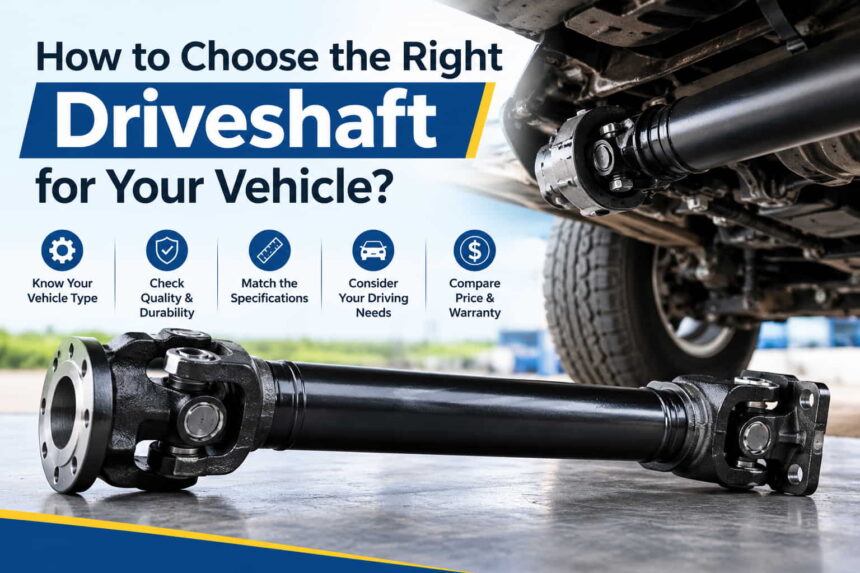
A typical driveshaft consists of several key parts working together. Universal joints (U-joints) sit at each end, allowing the shaft to flex and rotate even when the angles change during suspension movement. Slip yokes provide a telescoping function, letting the shaft extend and compress as needed.
The tube itself is the main body of the driveshaft. It needs to be perfectly balanced and strong enough to handle the rotational forces without flexing or vibrating. Any imbalance here will be felt throughout your entire vehicle—and trust me, it’s not pleasant.
.png)
What Are the Different Types of Driveshafts?
One-Piece vs Two-Piece Driveshafts
One-piece driveshafts are exactly what they sound like—a single tube connecting the transmission to the differential. They’re simpler, lighter, and generally more efficient. However, they’re limited by length; too long and they’ll develop vibration issues at high speeds.
Two-piece driveshafts solve this problem by using a centre support bearing to divide the shaft into two sections. This setup is common in longer vehicles like utes and commercial vehicles. While they add complexity, they’re essential for maintaining smooth operation in these applications.
Steel, Aluminium, and Carbon Fibre Options
Steel driveshafts are the workhorses of the industry. They’re durable, affordable, and perfect for everyday driving and heavy-duty applications. However, they’re also the heaviest option, which can slightly impact fuel efficiency and acceleration.
Aluminium driveshafts offer a significant weight reduction—sometimes up to 50% lighter than steel. This makes them popular for performance applications where every kilogram matters. Carbon fibre takes this even further, providing exceptional strength-to-weight ratios, though at a premium price point.
Which Driveshaft Type Is Best for My Vehicle?
Your choice depends entirely on your specific needs. For standard daily driving, a quality steel driveshaft will serve you well. Performance enthusiasts might lean towards aluminium for its weight savings. And if you’re building a serious track car, carbon fibre could be worth the investment.
How Do I Know If My Driveshaft Needs Replacing?
Common Warning Signs of Driveshaft Failure
Keep an eye out for unusual vibrations, particularly when accelerating. A worn driveshaft often causes a shuddering sensation that increases with speed. You might also notice difficulty turning, clunking sounds when shifting gears, or visible rust and damage on the shaft itself.
What Does a Bad Driveshaft Sound Like?
A failing driveshaft typically produces distinctive noises. Squeaking or squealing during acceleration suggests worn U-joints. Clunking sounds when shifting between drive and reverse indicate excessive play in the drivetrain. Any rhythmic knocking that matches your wheel speed warrants immediate investigation.
Can I Drive with a Damaged Driveshaft?
Short answer: don’t risk it. A damaged driveshaft can fail completely while driving, potentially causing serious damage to surrounding components and creating a dangerous situation. If you suspect problems, have it inspected promptly.
How to Measure a Driveshaft Correctly?
Essential Measurements You’ll Need
Accurate measurements are critical when ordering a replacement. You’ll need the overall length from yoke centre to yoke centre, the tube diameter, and the U-joint size. Don’t forget to check the spline count on your slip yoke—this must match your transmission output shaft.
Make sure your vehicle is at normal ride height when measuring. Suspension modifications can change the required length, so measure with all intended modifications already installed.
Common Measuring Mistakes to Avoid
The most frequent error is measuring with the vehicle on a hoist rather than at ride height. Another common mistake is forgetting to account for suspension travel—your driveshaft needs room to telescope without binding. Double-check all measurements before ordering to avoid costly mistakes.
Choosing the Right Driveshaft for Your Vehicle Type
Driveshafts for 4WDs and Utes
Australian conditions are particularly demanding on driveshafts. If you’re regularly tackling bush tracks or towing heavy loads, you’ll want a heavy-duty option designed for these stresses. Look for reinforced U-joints and consider a two-piece setup for longer wheelbase vehicles.
Performance and Modified Vehicles
Modified vehicles often require upgraded driveshafts to handle increased power. Suspension lifts change driveshaft angles, which can cause premature wear on standard components. Custom-length shafts might be necessary after significant modifications.
Commercial and Heavy-Duty Applications
Fleet managers should prioritise reliability and durability over weight savings. Heavy-duty steel driveshafts with premium U-joints offer the best longevity in commercial applications. Regular maintenance schedules are vital for these high-kilometre vehicles.
OEM vs Aftermarket Driveshafts: Which Should You Buy?
Pros and Cons of Each Option
OEM (Original Equipment Manufacturer) driveshafts guarantee a perfect fit and typically come with warranty backing. They’re designed specifically for your vehicle, so there’s no guesswork involved. However, they often come with a premium price tag.
Aftermarket options can offer excellent value and sometimes superior performance. Many aftermarket manufacturers specialise in driveshafts and produce components that exceed OEM specifications. The trade-off is that you need to ensure compatibility and quality.
Are Aftermarket Driveshafts Reliable?
Absolutely—when you choose reputable brands. Quality aftermarket driveshafts from established manufacturers are often just as reliable as OEM parts, sometimes more so. Research the brand, read reviews, and buy from trusted suppliers.
How Much Does a Driveshaft Replacement Cost?
Factors That Affect Pricing
Prices vary considerably based on your vehicle type, material choice, and whether you need a custom-built shaft. Standard steel driveshafts might cost a few hundred dollars, while performance aluminium or carbon fibre options can run into the thousands. Labour costs for installation add to the total.
Is It Worth Repairing or Replacing?
Minor issues like worn U-joints can often be repaired economically. However, if the tube is damaged, bent, or severely corroded, replacement is usually the smarter choice. A reputable driveshaft specialist can advise on the most cost-effective solution for your situation.
Where to Buy Quality Driveshafts in Australia?
Australia has plenty of options for sourcing driveshafts. Specialist driveshaft manufacturers can build custom shafts to your exact specifications—ideal for modified vehicles. Major auto parts retailers stock common applications, while performance shops cater to enthusiasts. Online suppliers often offer competitive pricing, but make sure you’re dealing with reputable businesses.
Final Thoughts: Making the Right Decision for Your Vehicle
Choosing the right driveshafts for sale ultimately comes down to understanding your specific needs and doing your homework. We’ve covered the basics of how driveshafts work, the different types available, and how to identify when yours needs attention. Remember, accurate measurements are non-negotiable, and matching the driveshaft to your vehicle’s intended use is essential.
Whether you go OEM or aftermarket, prioritise quality over bargain-basement prices. A cheap driveshaft that fails prematurely isn’t really a saving at all. Take the time to research suppliers, read reviews, and don’t hesitate to ask questions—reputable businesses will happily help you make the right choice.
Your driveshaft might not be the most glamorous part of your vehicle, but it’s absolutely vital for safe, smooth operation. By following the guidance in this article, you’ll be well-equipped to select a driveshaft that delivers reliable performance for years to come. If you’re ever unsure, consulting with a driveshaft specialist is always a smart move—they deal with these components daily and can offer invaluable advice tailored to your situation. Safe travels, mate!



