

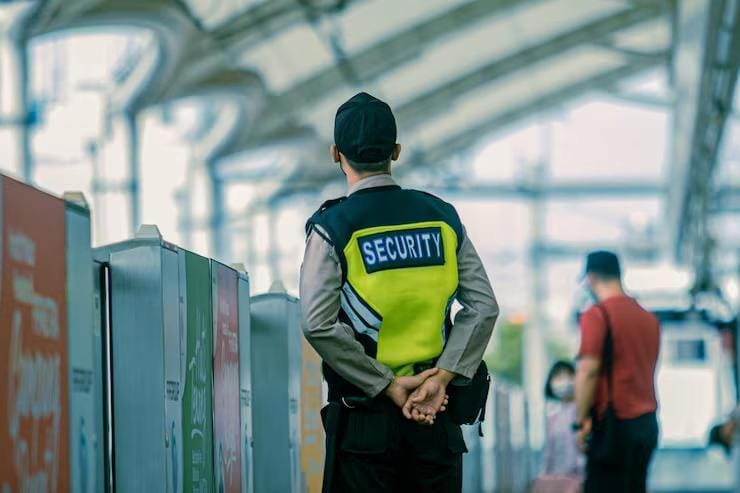
Security personnel play a vital role in protecting people, property, and businesses across the UK. However, many people mistakenly assume that all security professionals perform the same duties. In reality, the responsibilities, legal authority, and working environments of security guards and door supervisors differ significantly. Understanding these distinctions is essential for businesses hiring protection services, individuals considering a career in security, and the public interacting with licensed professionals.
In sectors such as hospitality, retail, and events, choosing the right security role can directly affect safety, customer experience, and legal compliance. For instance, venues offering hotel concierge services may require security personnel who combine professionalism with customer-facing skills, while nightclubs often depend on stricter access control specialists. Knowing which licence and expertise fit each role can make a substantial difference.
Understanding the Role of a Security Guard
A security guard is primarily responsible for protecting premises, assets, and individuals from theft, vandalism, trespassing, or safety breaches. They are commonly employed in office buildings, shopping centres, warehouses, construction sites, hospitals, and corporate environments.
Their duties generally focus on prevention, observation, and incident reporting rather than direct confrontation. Security guards may patrol designated areas, monitor CCTV systems, manage access points, and respond to emergencies such as fire alarms or suspicious activity.
Common Duties of a Security Guard:
- Monitoring surveillance equipment
- Conducting routine patrols
- Reporting incidents to management or police
- Checking visitor identification
- Preventing unauthorised access
- Responding to alarms and emergencies
In many customer-focused establishments, security guards may also work alongside reception teams or hotel concierge services to ensure both security and guest satisfaction, blending vigilance with hospitality.
What Does a Door Supervisor Do?
A door supervisor holds a more specialised security position, typically working in licensed premises such as pubs, bars, nightclubs, casinos, concerts, and large public events. While they also protect people and property, their role often includes managing potentially confrontational situations involving intoxicated individuals, aggressive behaviour, or crowd control.
Door supervisors are licensed to work at venues where alcohol is sold or regulated entertainment takes place. Their presence is often the first line of defence in maintaining order at busy social settings.
Main Responsibilities of a Door Supervisor:
- Checking IDs and age verification
- Controlling venue entry and exit
- Managing queues
- Conducting bag searches when necessary
- Handling disorderly behaviour
- Preventing overcrowding
- Liaising with emergency services
Because of the higher-risk nature of these environments, door supervisors usually require conflict management and physical intervention training.
SIA Licensing: The Key Legal Difference
In the UK, both roles require licensing through the Security Industry Authority (SIA), but the licence category differs.
Security Guard Licence:
This licence permits work in static guarding, mobile patrols, key holding, and property protection. It does not authorise work at licensed premises where alcohol is the main activity.
Door Supervisor Licence:
This broader licence includes all security guard functions plus the legal right to work in licensed venues such as bars and clubs. It covers additional responsibilities like searching, physical intervention, and dealing with public disorder.
Important Legal Note:
A door supervisor can legally perform the duties of a security guard, but a security guard cannot legally act as a door supervisor at licensed premises.
Legal Powers: What Can They Actually Do?
A common misconception is that security professionals possess police-like powers. In reality, both security guards and door supervisors generally operate under the same legal rights as ordinary citizens, with some authority granted by property owners or employers.
Powers Both Roles Share:
- Refusing entry to private property
- Asking individuals to leave premises
- Performing citizen’s arrest under specific circumstances
- Detaining someone reasonably until police arrive (only when legally justified)
Additional Practical Authority for Door Supervisors:
- Enforcing venue-specific entry policies
- Conducting searches with consent
- Managing intoxicated or disruptive guests
Neither role can use excessive force, and all actions must comply with UK law, including the Criminal Law Act 1967 and Human Rights legislation.
Training and Skills Required
While both careers require vigilance and professionalism, their training paths differ.
Security Guard Training Focus:
- Patrol procedures
- Asset protection
- Emergency response
- Health and safety
- CCTV awareness
Door Supervisor Training Focus:
- Conflict resolution
- Physical intervention
- Terror threat awareness
- Behavioural assessment
- Licensing law compliance
This additional training reflects the increased likelihood of confrontation in nightlife or entertainment settings.
Work Environment Comparison
Security Guards Typically Work In:
- Corporate offices
- Retail parks
- Hospitals
- Construction sites
- Warehouses
Door Supervisors Commonly Work In:
- Nightclubs
- Bars
- Festivals
- Sporting events
- Casinos
The work setting often determines not only responsibilities but also the communication style required. Security guards may prioritise observation and prevention, while door supervisors must balance authority with immediate crowd management.
Which Role Is Better for Your Business?
Choosing between a security guard and a door supervisor depends entirely on operational needs.
Consider a Security Guard If You Need:
- Property surveillance
- Loss prevention
- Corporate protection
- Reception and front-desk security
- Long-term static guarding
Consider a Door Supervisor If You Need:
- Licensed venue security
- Crowd management
- ID checks
- Event entry control
- Conflict de-escalation
For example, a luxury hotel may benefit from security guards integrated with concierge teams, whereas a city-centre nightclub requires licensed door supervision.
Career Prospects and Progression
Both professions can lead to rewarding careers in private security. Many professionals begin as security guards before upgrading to door supervisor licensing for broader opportunities. Others move into specialist roles such as close protection, CCTV operations, or security management.
With increasing emphasis on public safety, hospitality security, and event regulation, demand remains steady for qualified personnel across multiple industries.
Final Thoughts
Although security guards and door supervisors share a commitment to safety, their roles, legal permissions, and working environments differ considerably. Security guards focus more on asset and premises protection, while door supervisors specialise in licensed venues and public-facing conflict management. Understanding these distinctions helps businesses choose suitable protection and ensures compliance with UK regulations. Whether safeguarding a corporate office, supporting hospitality teams, or maintaining nightclub safety, selecting the right licensed professional enhances security, professionalism, and peace of mind.