

Have you ever wondered what keeps workers safe when they’re dangling several metres above the ground? Are you considering a job that requires working at heights but feel overwhelmed by all the safety equipment options? Or perhaps you’re an employer looking to kit out your team with reliable fall protection gear?
Choosing the right full body safety harness isn’t just about ticking a compliance box. It’s literally a matter of life and death. Every year in Australia, falls from heights remain one of the leading causes of workplace fatalities. The good news? A properly fitted, quality harness can be the difference between a close call and a tragedy.
In this guide, we’ll walk you through everything you need to know about buying your first full body safety harness. From understanding the key components to navigating Australian safety standards, we’ve got you covered. By the end, you’ll feel confident about what to look for, how much to spend, and where to find the best options for your needs.
What Is a Full Body Safety Harness?
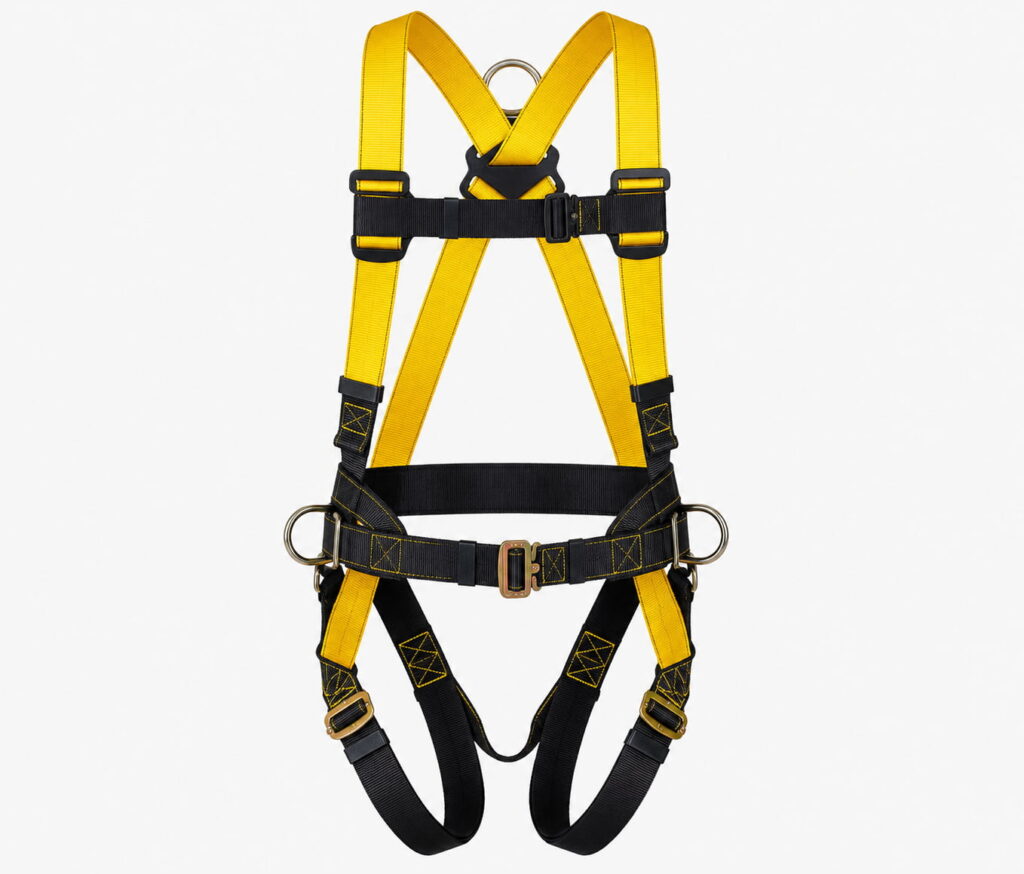
A full body safety harness is a piece of personal protective equipment (PPE) designed to distribute fall forces across your body’s strongest points. Unlike simple belts or chest harnesses, a full body harness wraps around your shoulders, chest, waist, and thighs. This design ensures that if you fall, the impact spreads evenly rather than concentrating on one area.
Key Components of a Full Body Harness
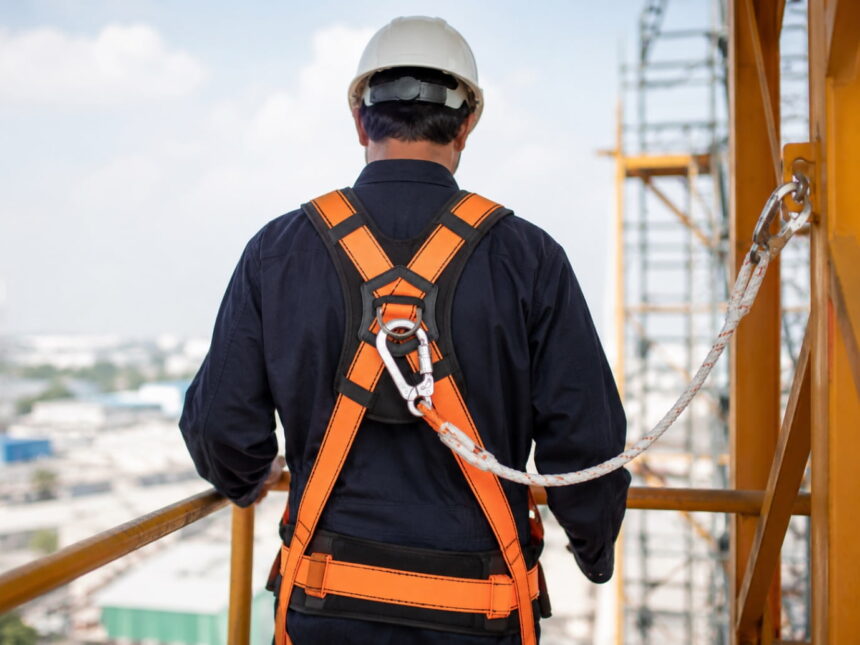
Every quality harness features several essential parts. The shoulder straps sit over your shoulders and connect to the dorsal D-ring on your back. This D-ring is your primary fall arrest attachment point. Chest straps keep everything secure across your torso.
Leg straps loop around each thigh and are typically adjustable for comfort. Many harnesses also include a waist belt, which provides additional support and often features side D-rings for work positioning. Buckles and adjustment points allow you to customise the fit.
How Does a Full Body Safety Harness Work?
When you’re connected to an anchor point via a lanyard or self-retracting lifeline, your harness catches you if you fall. The force gets distributed across your shoulders, back, and thighs. This prevents the severe injuries that would occur if all that energy hit just one spot.
The dorsal D-ring positioned between your shoulder blades keeps you upright during a fall. This positioning is crucial because it reduces the risk of suspension trauma while you wait for rescue.
Why Do You Need a Full Body Safety Harness?
Falls from heights cause approximately 23% of all worker fatalities in Australia. That’s a sobering statistic that highlights why proper fall protection isn’t optional—it’s essential.
Common Industries That Require Safety Harnesses
Construction sites are the obvious example, but harnesses are vital across multiple sectors. Telecommunications workers scaling towers, window cleaners on high-rise buildings, and warehouse staff operating elevated platforms all need protection. Mining, arboriculture, and entertainment rigging also rely heavily on fall arrest systems.
Even seemingly low-risk activities can be dangerous. Roof maintenance, gutter cleaning, and installing solar panels all present fall hazards that require proper protection.
Australian Workplace Safety Regulations and Compliance
In Australia, Work Health and Safety (WHS) regulations mandate fall protection when working at heights above two metres. Safe Work Australia provides the guidelines, but each state and territory enforces them through their own regulatory bodies.
Employers must ensure workers have access to appropriate PPE and receive adequate training. Non-compliance can result in hefty fines and, more importantly, preventable injuries or deaths.
Types of Full Body Safety Harnesses
Not all harnesses are created equal. Different work environments demand different features and capabilities.
General Purpose Harnesses
These are your entry-level options suitable for occasional use in low-risk environments. They typically feature basic adjustment points and a single dorsal D-ring. They’re perfect for maintenance tasks, occasional roof work, or training purposes.
Construction and Height Safety Harnesses
Built for daily use in demanding environments, construction harnesses offer enhanced durability and comfort features. They often include padding on the shoulders and legs, multiple D-rings for different positioning options, and tool loops.
Rescue and Confined Space Harnesses
These specialised harnesses feature additional attachment points for rescue operations. They allow workers to be retrieved from confined spaces or lowered to safety. Shoulder D-rings enable vertical lifting when a worker is incapacitated.
Tower Climbing and Telecommunications Harnesses
Designed for extended wear during vertical climbing, these harnesses include specific features for ascending and descending structures. They often incorporate integral work positioning belts and are built to withstand repetitive use.
What Should I Look for When Buying a Safety Harness?
Purchasing your first harness can feel overwhelming. Here’s what matters most.
Safety Certifications and Australian Standards
Always check that your harness complies with AS/NZS 1891.1. This Australian and New Zealand standard covers industrial fall-arrest systems. Look for certification marks and avoid any product that can’t demonstrate compliance. Cheap imports that don’t meet standards aren’t worth the risk.
Weight Capacity and Sizing
Most harnesses accommodate workers weighing between 40kg and 140kg. However, premium options cater to a broader range. Always check the manufacturer’s specifications and factor in any tools or equipment you’ll carry.
Comfort and Adjustability Features
You’ll potentially wear this harness for hours. Padding on pressure points, breathable materials, and multiple adjustment buckles make a significant difference. Quick-connect buckles speed up donning and doffing, while pass-through buckles offer a more secure fit.
Durability and Material Quality
Webbing quality varies considerably. Look for UV-resistant materials if you’ll work outdoors frequently. Inspect stitching patterns and hardware quality. Metal components should be corrosion-resistant, especially in coastal or humid environments.
How Do I Know What Size Harness I Need?
Proper fit isn’t negotiable. An ill-fitting harness won’t protect you adequately.
Measuring for the Correct Fit
Most manufacturers provide sizing charts based on chest, waist, and height measurements. Take accurate measurements while wearing typical work clothing. When in doubt, size up rather than down—adjustment straps can compensate for extra room.
Adjustable Features to Consider
Quality harnesses offer multiple adjustment points at the shoulders, chest, waist, and legs. Try on several options and simulate working positions. You should be able to move freely without excessive looseness or restriction.
How Long Does a Safety Harness Last?
Even the best harness doesn’t last forever.
Signs Your Harness Needs Replacing
Inspect your harness before each use. Look for frayed webbing, damaged stitching, corrosion on metal parts, or deformed buckles. Any harness involved in a fall arrest event must be retired immediately—even if it looks undamaged.
Proper Storage and Maintenance Tips
Store harnesses in cool, dry locations away from direct sunlight. Keep them away from chemicals, oils, and sharp objects. Clean with mild soap and water only. Most manufacturers recommend replacement every five years, regardless of condition.
Can You Use a Safety Harness More Than Once After a Fall?
The short answer is no. Once a harness has arrested a fall, it must be removed from service and destroyed. Even if there’s no visible damage, the webbing and components may have stretched or weakened. The risk simply isn’t worth taking.
Top Mistakes Beginners Make When Buying a Safety Harness
Buying on price alone tops the list. Skipping proper fitting comes a close second. Other common errors include ignoring certification requirements, choosing the wrong type for your application, and forgetting to budget for connecting devices and anchorage equipment.
Conclusion: Finding the Best Full Body Safety Harness for Your Needs
Selecting your first full body safety harness doesn’t need to be complicated. Focus on compliance with AS/NZS 1891, proper fit, and appropriate features for your specific work environment. Don’t let price be your only guide—your safety is worth the investment.
Remember that a harness is just one part of a complete fall protection system. You’ll also need appropriate lanyards, connectors, and anchor points. Training on proper use and inspection is equally important.
Take your time, try on multiple options, and don’t hesitate to ask suppliers for guidance. With the right harness properly fitted and correctly used, you can work at heights with confidence. Stay safe out there, and make sure you’re always connected before you climb.