

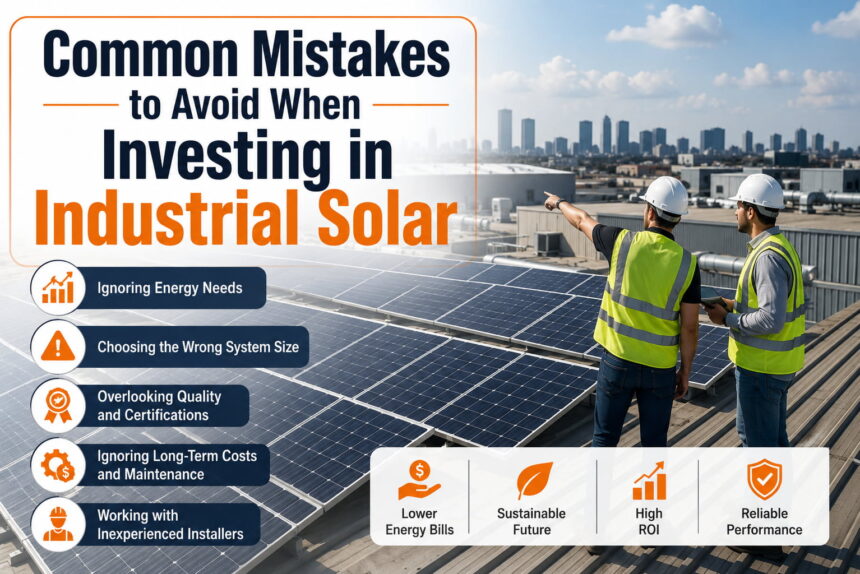
Have you been thinking about making the switch to industrial solar for your business? Are you wondering whether it’s really worth the investment, or perhaps you’re worried about getting it wrong? You’re certainly not alone in having these questions.
Industrial solar investment is absolutely booming across Australia right now. With energy costs climbing and sustainability becoming a genuine priority for businesses of all sizes, more companies are looking skyward for their power solutions. The appeal is clear: reduced electricity bills, a smaller carbon footprint, and potential income from excess energy. It’s no wonder so many businesses are jumping on board.
Underestimating the True Cost of Industrial Solar Installation
One of the biggest mistakes businesses make is focusing solely on the upfront cost of solar panels. Yes, the panels themselves represent a significant investment, but they’re just one piece of the puzzle. Hidden costs can quickly add up and blow your budget if you’re not prepared.
Think about structural assessments, electrical upgrades, scaffolding, and potential roof repairs. Then there’s the cost of grid connection, metering equipment, and any necessary council permits. These expenses can catch you off guard if you haven’t factored them into your initial budget.
Is Industrial Solar Worth the Investment for My Business?
The short answer is usually yes—but only when you’ve done your homework properly. A well-planned industrial solar system typically pays for itself within three to seven years, depending on your energy consumption and system size. After that, you’re essentially generating free electricity. The key is ensuring you’ve accounted for all costs upfront, so there are no nasty surprises down the track.
Choosing the Wrong Solar Provider
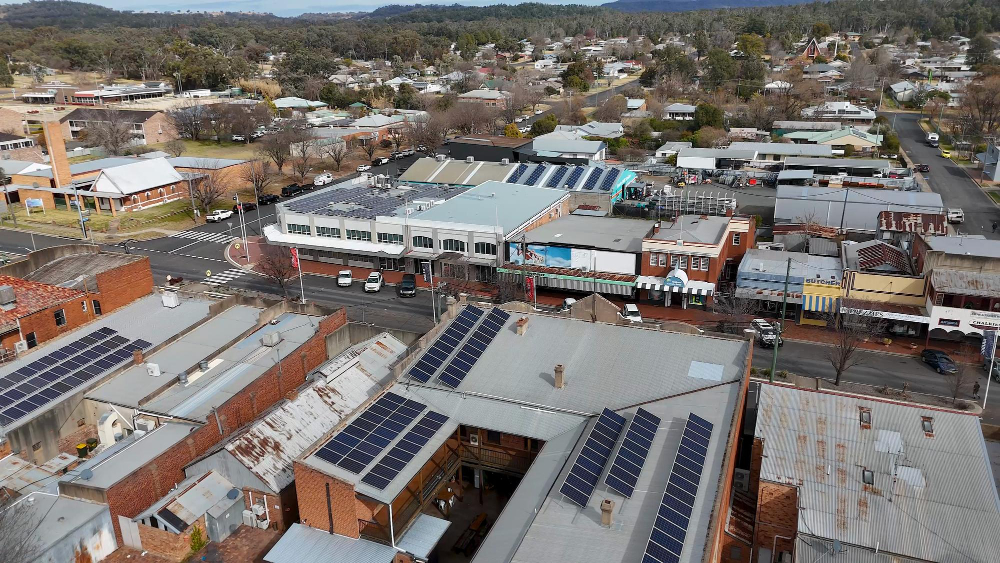
Not all solar installers are created equal, and selecting the wrong one can lead to headaches for years to come. Watch out for red flags like unusually low quotes, pressure sales tactics, or vague answers to technical questions. If something feels off, trust your instincts.
How Do I Choose the Best Commercial Solar Company?
Start by checking their certifications—they should be Clean Energy Council accredited at a minimum. Look for a solid track record with industrial installations specifically, not just residential projects. Ask for references from businesses similar to yours and actually follow up with those contacts.
Beyond certifications, consider their after-sales support. Will they be around in five years if something goes wrong? Do they offer monitoring services? A reputable installer will happily answer these questions and provide clear documentation. Don’t be afraid to get multiple quotes and compare not just prices, but the overall value each company offers.
Ignoring Site-Specific Factors
Your industrial site is unique, and your solar installation should reflect that. Failing to account for site-specific factors is a surprisingly common mistake that can seriously impact system performance.
Roof condition is critical. An older roof might need reinforcement or repairs before it can support solar panels. Structural assessments aren’t optional—they’re essential for safety and long-term performance.
What Factors Affect Industrial Solar Panel Efficiency?
Shading is a big one. Even partial shading from nearby buildings, trees, or equipment can dramatically reduce output. Orientation matters too—north-facing installations generally perform best in Australia. The angle of your panels, local climate conditions, and even dust accumulation all play a role. A thorough site assessment will identify these factors and help design a system that maximises efficiency for your specific location.
Failing to Right-Size Your Solar System
Getting the size right is trickier than it sounds. Undersizing means you won’t generate enough power to make a real dent in your electricity bills. Oversizing might seem safer, but you could end up paying for capacity you don’t need and facing grid export limitations.
How Do I Calculate the Right Solar System Size for My Business?
Start by analysing your energy consumption patterns—not just total usage, but when you use the most power. A business that operates mainly during daylight hours will benefit more from solar than one running 24/7 shifts.
Consider future growth too. Are you planning to expand operations, add new equipment, or potentially include electric vehicle charging? Building in some extra capacity now can save you money long-term. Work with your installer to model different scenarios and find the sweet spot that balances current needs with future flexibility.
Overlooking Maintenance and Ongoing Costs
Solar panels are relatively low maintenance, but they’re not zero maintenance. Ignoring this reality can lead to declining performance and unexpected repair bills.
What Maintenance Does an Industrial Solar System Require?
Regular cleaning is essential, especially in dusty industrial environments. Dirty panels simply don’t perform as well. You’ll also need periodic inspections to check for damage, loose connections, or inverter issues. Most experts recommend professional inspections at least annually.
Budget for monitoring systems too. Real-time performance monitoring helps you spot problems early, before they become expensive repairs. Factor these ongoing costs into your financial projections from the start. A well-maintained system will deliver better returns over its lifespan.
Not Understanding Government Incentives and Rebates
Australia offers various incentives to encourage solar adoption, but navigating them can be confusing. Missing out on available support is like leaving money on the table.
What Solar Rebates Are Available for Australian Businesses?
Small-scale Technology Certificates (STCs) provide upfront discounts on eligible systems, while Large-scale Generation Certificates (LGCs) offer ongoing income for larger installations. State-based incentives vary, so check what’s available in your location.
The rules around these incentives change periodically, so ensure you’re working with current information. Your installer should be able to guide you through the process, but it’s worth doing your own research too. Claiming everything you’re entitled to can significantly improve your return on investment.
Skipping Due Diligence on Warranties and Guarantees
Warranties matter enormously with solar installations. Understanding what’s covered—and what isn’t—can save you significant grief later on.
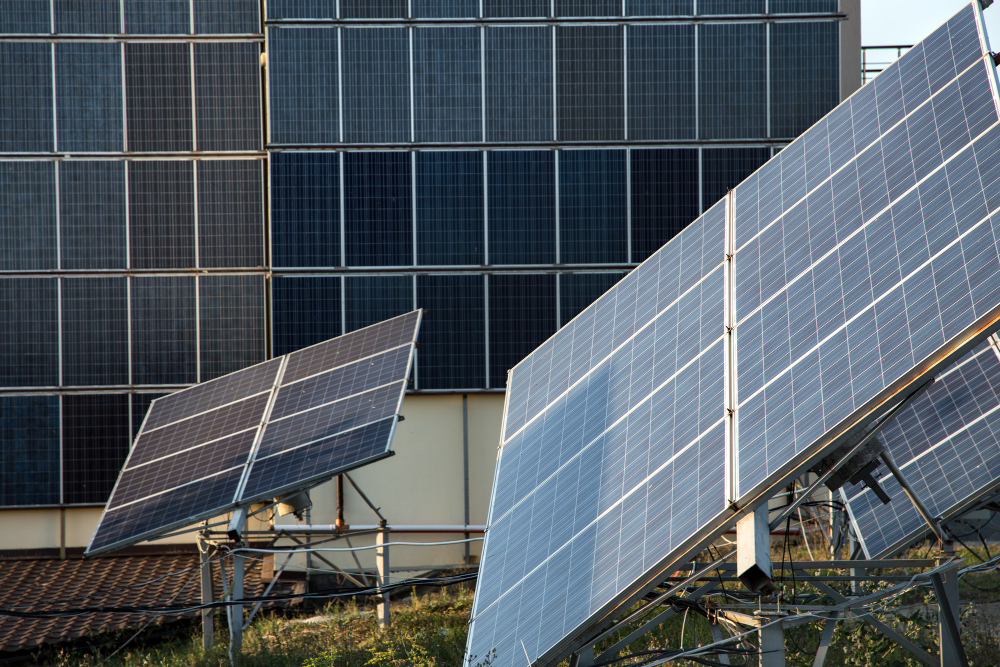
Performance warranties guarantee a minimum output level over time, typically 25 years. Product warranties cover manufacturing defects and hardware failures, usually for 10-15 years. Make sure you understand both and get everything in writing.
Ask about inverter warranties separately, as inverters typically have shorter lifespans than panels. Clarify who handles warranty claims and what the process involves. Before signing any contract, ensure you’re comfortable with the warranty provisions and that the company seems likely to honour them long-term.
Neglecting Energy Storage and Grid Connection Options
Should I Invest in Battery Storage for My Industrial Solar System?
Battery storage is increasingly attractive, especially for businesses wanting greater energy independence. However, it adds significant cost and isn’t always necessary. Consider whether your energy consumption patterns align with solar generation, and whether backup power during outages is important for your operations.
Grid connection brings its own considerations. Export limitations vary by location and network provider—you might not be able to sell all your excess power back to the grid. Understanding these limitations upfront helps you design a system that works within your local constraints.
Rushing the Decision Without a Proper Feasibility Study
Finally, don’t rush this decision. A proper feasibility study and professional energy audit might seem like unnecessary expenses, but they’re invaluable for making informed choices.
How Long Does It Take to See ROI on Industrial Solar?
Typical payback periods range from three to seven years, but this varies widely based on system size, energy costs, and usage patterns. A thorough feasibility study will provide realistic projections for your specific situation, helping you set appropriate expectations and plan accordingly.
Conclusion
Investing in industrial solar is a smart move for many Australian businesses, but only when done right. The key takeaways? Don’t underestimate true costs, choose your installer carefully, and ensure your system is properly sized for your needs. Pay attention to site-specific factors, budget for ongoing maintenance, and claim every incentive you’re entitled to.
Take your time with this decision. A proper feasibility study and thorough due diligence will pay dividends in the long run. Understand your warranties, consider your storage options carefully, and don’t be afraid to ask questions—lots of them.