

Have you ever stopped to think about what’s really keeping your workers safe when they’re metres above the ground? Are your anchor points as reliable as they were when first installed? Could a fraying harness or worn-out lanyard be the difference between a close call and a tragedy?
Height safety inspections might not be the most glamorous topic in workplace safety, but they’re absolutely critical. In Australia, falls from height remain one of the leading causes of workplace fatalities and serious injuries. Yet many businesses treat height safety equipment like a “set and forget” investment. They install anchor points, purchase harnesses, and then assume everything will work perfectly indefinitely. Unfortunately, that’s not how safety equipment works.
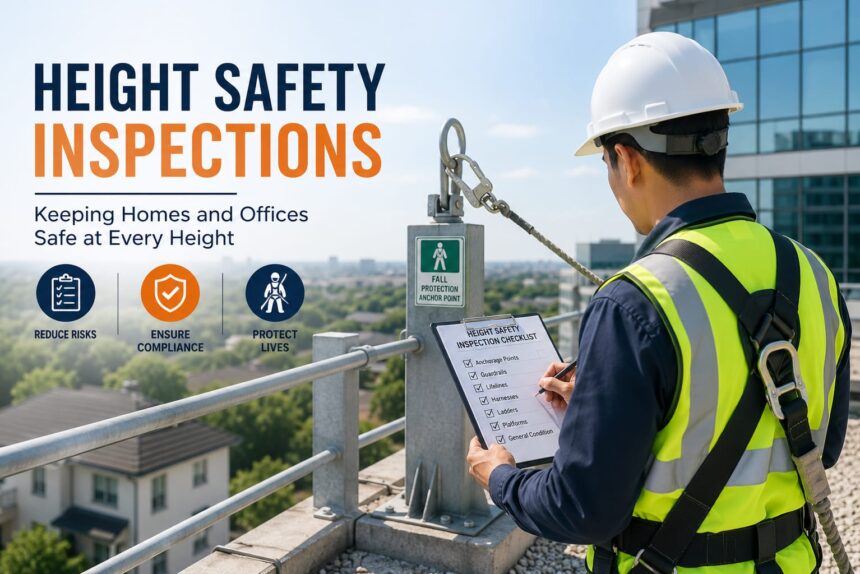
So, what exactly is a height safety inspection? Put simply, it’s a thorough assessment of all your working at heights equipment and systems. This includes anchor points, harnesses, lanyards, static lines, guardrails, and any other fall protection devices. A qualified inspector examines each component for wear, damage, corrosion, and compliance with Australian Standards. They’ll check that everything functions correctly and remains fit for purpose. Think of it as a comprehensive health check for your fall protection systems. In this post, we’ll explore five key benefits of making these inspections a regular part of your safety routine and why they’re worth every cent.
Ensuring Workplace Compliance and Avoiding Costly Penalties
Understanding Australian Height Safety Regulations
Australian workplace safety legislation is pretty clear when it comes to working at heights. Under the Work Health and Safety Act and associated regulations, employers have a duty of care to provide safe systems of work. This includes making sure all height safety equipment is properly maintained and inspected.
What are the legal requirements for working at heights in Australia?
The regulations require that fall protection systems comply with relevant Australian Standards, such as AS/NZS 1891 for industrial fall-arrest systems. Employers must verify that equipment remains in safe working condition through regular inspections and maintenance programs.
How often should height safety equipment be inspected?
While specific timeframes can vary depending on the equipment type and manufacturer recommendations, most height safety systems require inspection at least every six months. Some equipment, particularly after heavy use or exposure to harsh conditions, may need more frequent checks.
The Real Cost of Non-Compliance
Ignoring inspection requirements isn’t just risky—it’s expensive. Safe Work Australia can issue significant fines for non-compliance, and if an incident occurs, the consequences multiply dramatically. We’re talking potential prosecution, compensation claims, increased insurance premiums, and reputational damage that can take years to repair. Regular inspections provide documented proof that you’re meeting your legal obligations, protecting both your workers and your business.
Protecting Your Workers and Reducing Injury Risks
Common Height Safety Hazards in Australian Workplaces
From construction sites to warehouse facilities, height safety hazards are everywhere. Corroded anchor points, UV-damaged webbing on harnesses, malfunctioning self-retracting lifelines, and poorly maintained guardrails all pose serious risks. The tricky thing is that many of these hazards aren’t immediately visible to the untrained eye.
How do height safety inspections prevent accidents?
Professional inspectors know exactly what to look for. They’ll identify subtle signs of wear that could compromise equipment integrity things like micro-fractures in carabiners, stitching degradation in harnesses, or rust forming inside anchor point housings. By catching these issues early, you eliminate potential failure points before they cause harm.
Creating a Culture of Safety on Site
Regular inspections send a powerful message to your team: safety isn’t negotiable. When workers see that equipment is routinely checked and maintained, they’re more likely to take their own safety responsibilities seriously. They’ll report concerns, use equipment correctly, and look out for their mates. That ripple effect can transform your entire workplace safety culture.
Extending the Lifespan of Your Height Safety Equipment
What Does a Height Safety Inspection Include?
A comprehensive inspection covers every component of your fall protection system. Inspectors examine:
– Anchor points – checking for corrosion, structural integrity, and secure fixing
– Harnesses and lanyards – assessing webbing, stitching, buckles, and connectors
– Static lines and horizontal lifelines – testing tension, end anchors, and intermediate brackets
– Self-retracting lifelines – verifying braking mechanisms and cable condition
– Access equipment – inspecting ladders, platforms, and walkways
Identifying Wear and Tear Before It Becomes Dangerous
Quality height safety equipment isn’t cheap, and replacing it prematurely hurts your budget. On the flip side, using equipment beyond its safe service life puts people at risk. Regular inspections strike the perfect balance.
Saving money through preventative maintenance is straightforward logic. Minor repairs and adjustments during routine inspections prevent major failures down the track. A worn gasket replaced today might prevent complete anchor point replacement tomorrow. Over time, this preventative approach significantly extends equipment lifespan while maintaining peak safety performance.
Minimising Business Downtime and Disruptions
How Unexpected Equipment Failures Impact Productivity
Picture this: your team arrives on site ready to complete elevated work, only to discover that essential equipment has failed pre-use checks. Suddenly, you’re scrambling to source replacements, rescheduling tasks, and watching your project timeline slip. These disruptions cost money and damage client relationships.
Can regular inspections reduce workplace downtime?
Absolutely. When you know your equipment is in top condition, there are no nasty surprises. Your crews can start work confidently, knowing everything has been professionally verified. Plus, any equipment requiring repair or replacement gets identified during scheduled inspections, giving you time to organise alternatives without disrupting operations.
Planning Inspections to Keep Projects on Track
Smart businesses schedule inspections during planned downtime or quieter periods. This way, any equipment temporarily taken offline for servicing doesn’t impact critical project phases. It’s about working smarter, not harder, and keeping your operations running smoothly.
Building Trust and Reputation with Clients and Contractors
Why Clients Prefer Working with Safety-Compliant Businesses
In competitive industries like construction, mining, and facilities management, safety credentials can make or break contract opportunities. Many principal contractors now require subcontractors to demonstrate current safety compliance before stepping onto site.
Demonstrating duty of care in competitive industries gives you a genuine edge. When you can produce up-to-date inspection certificates and maintenance records, you’re showing clients that you take safety seriously. This builds trust and positions your business as a reliable, professional partner.
Who Can Perform Height Safety Inspections in Australia?
Not just anyone can sign off on height safety equipment. Inspections must be conducted by competent persons individuals with appropriate training, qualifications, and experience. Many businesses engage specialist height safety companies that employ certified inspectors familiar with all relevant Australian Standards. These professionals provide detailed reports and certification that clients and regulators accept.
Choosing the Right Height Safety Inspection Provider
What to Look for in a Qualified Inspector
When selecting an inspection provider, check their credentials carefully. Look for inspectors with:
– Relevant certifications and training
– Experience with your specific equipment types
– Strong industry reputation and references
– Comprehensive reporting and documentation systems
– Insurance and professional indemnity cover
Taking the Next Step Towards Safer Worksites
Regular height safety inspections deliver genuine value across multiple fronts. They keep you compliant with Australian regulations, protect your workers from preventable injuries, extend equipment lifespan, minimise costly disruptions, and strengthen your reputation with clients. That’s a pretty compelling business case for something that requires relatively modest investment.
The reality is that height safety equipment doesn’t last forever. Environmental factors, regular use, and simple ageing all take their toll. Without professional inspections, you’re essentially gambling that nothing has deteriorated to a dangerous point. That’s a risk no responsible business should take.